
The Ultimate Guide to Home Insulation: Comfort, Savings, and Efficiency in 2025
Imagine wrapping your home in a cozy, tailored blanket that keeps it warm in the winter and refreshingly cool in the summer. That, in its simplest form, is what insulation does. But for modern homeowners, insulation is far more than just a “blanket”—it is the single most effective defense against rising energy costs, uncomfortable drafts, and unnecessary carbon footprints.
If you have ever touched a cold wall in January or felt a stifling wave of heat radiating from your ceiling in July, you have experienced the direct result of poor insulation. In this comprehensive guide, we will break down exactly what insulation is, the science behind how it works, and why upgrading it is one of the smartest investments you can make for your property in 2025.
The Core Concept: What is Insulation?
At its heart, insulation is any material used to fill the spaces—including crevices, cracks, and hard-to-reach corners—within your home’s structure to reduce heat flow. It acts as a barrier between the conditioned air inside your living space and the extreme temperatures outside.
While our heating and cooling systems (HVAC) work hard to pump warm or cool air into our rooms, insulation ensures that this expensive air stays where it belongs. Without proper insulation, your home is essentially a sieve, leaking energy (and money) through the roof, walls, and floors.
The Science of Heat Flow
To truly understand insulation, we need to look at the physics of heat. In nature, heat always seeks balance. It flows from warmer areas to cooler areas until there is no longer a temperature difference.
-
In Winter: The heat produced by your furnace desperately tries to escape to the freezing outdoors.
-
In Summer: The relentless heat from the sun tries to push its way into your air-conditioned rooms.
Insulation works by slowing down this heat flow through three primary mechanisms:
-
Conduction: This is heat moving through materials. Think of how a metal spoon gets hot in a cup of coffee. Insulation breaks this chain of conduction.
-
Convection: This is heat circulating through liquids and gases (like air). As warm air rises and cold air sinks, it creates a loop that sucks energy out of your home.
-
Radiation: This is heat traveling in a straight line and heating anything solid in its path (like the sun heating your roof).
Effective weatherization combines insulation (to stop conduction) with air sealing (to stop convection) to create a comprehensive thermal envelope.
Upgrade Your Home's Insulation in 2025 – Start Saving Now!
Master home insulation with this ultimate 2025 guide: choose the right type (fiberglass, cellulose, spray foam, rigid board), hit key R-values like R-49 attics and R-12–21 walls for NY winters, and cut heat loss by up to 40% when paired with air sealing. Enjoy consistent comfort, lower bills (average $372/year savings through programs), better soundproofing, moisture control, and health benefits. Spot signs like high bills or cold spots? The New York Weatherization Program offers FREE in-home energy assessments, insulation upgrades, and more – no cost for eligible NY households. Get expert help to boost efficiency today!
The Metric of Efficiency: R-Value Explained
When you start shopping for insulation or speaking with contractors, you will immediately hear the term “R-Value.” This stands for Thermal Resistance Value.
Simply put, the R-Value measures how well a specific material resists the conductive flow of heat.
-
The Higher the R-Value: The better the material is at insulating.
-
The Lower the R-Value: The faster heat passes through it.
However, “more” isn’t always the only answer. The ideal R-Value depends on where you live and what part of the house you are insulating. For example, in climates like New York, standard energy efficiency goals often aim for an R-Value of R-49 in attics and R-12 to R-21 in walls. Achieving these numbers is critical for maximizing energy savings and is a key benchmark used by top-tier weatherization providers.
Common Types of Insulation Materials
Not all insulation is created equal. The right choice depends on your budget, your home’s design, and whether you are building new or retrofitting an existing house.
1. Fiberglass (Batts and Rolls)
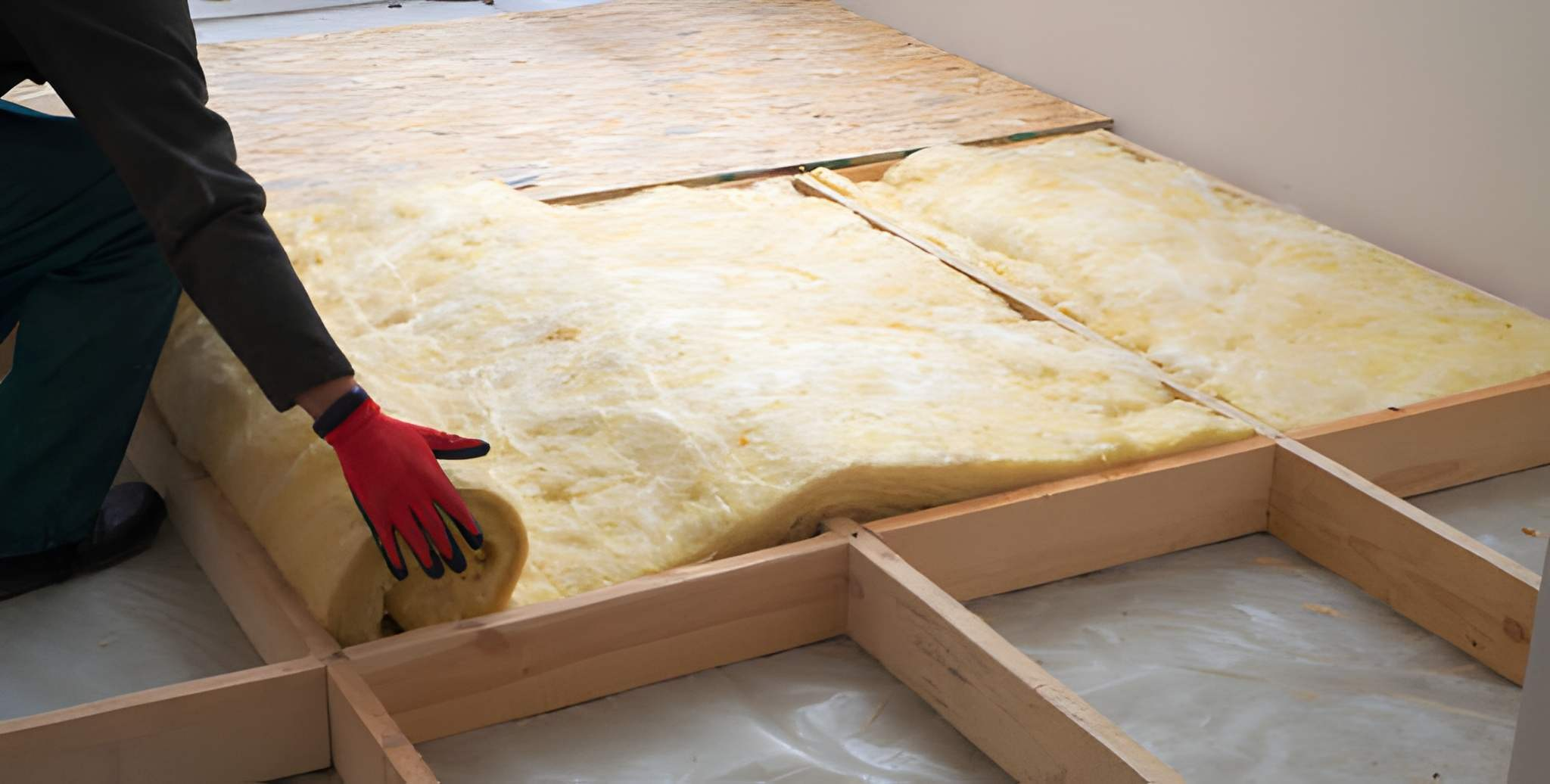
This is the “pink fluffy stuff” most people picture when they think of insulation. Made from extremely fine glass fibers, it is usually installed between studs, joists, and beams.
-
Best For: Unfinished walls, floors, and ceilings.
-
Pros: widely available, relatively affordable, and DIY-friendly for simple spaces.
-
Cons: It can irritate skin and lungs during installation; if it is compressed or gets wet, its R-value drops significantly.
2. Cellulose (Blown-In)
Cellulose is an eco-friendly favorite, often made from up to 85% recycled paper product (like newspaper) treated with fire retardants. It is blown into cavities using a special machine.
-
Best For: Attics and adding insulation to existing finished walls (dense packing).
-
Pros: It fills irregular shapes and gaps better than fiberglass batts, reducing air leakage. It is also excellent for soundproofing.
-
Cons: Requires special equipment to install; can settle over time, slightly reducing effectiveness.
3. Spray Foam
This is a chemical mixture that expands upon contact, filling every nook and cranny to create an airtight seal. It comes in open-cell (spongy) and closed-cell (rigid) varieties.
-
Best For: Attics, basements, and rim joists where air sealing is as important as insulation.
-
Pros: Provides the highest R-value per inch (closed-cell) and acts as an air barrier, eliminating the need for separate caulking in some areas.
-
Cons: Significantly more expensive than other options; requires professional installation.
4. Rigid Foam Board
These are sturdy panels of insulation that can be cut to size.
-
Best For: Basement walls, exterior sheathing, and cathedral ceilings.
-
Pros: High R-value for its thickness; does not absorb water.
-
Cons: Must be cut perfectly to fit; joints must be taped to prevent air leaks.
5 Clear Signs Your Home Is Under-Insulated
How do you know if your home is lacking proper insulation? Your house will usually tell you, if you know how to listen.
-
Fluctuating Temperatures: If your living room is roasting while your bedroom is freezing, your insulation is likely uneven or missing.
-
High Energy Bills: If your heating costs are spiking despite normal usage, your furnace is likely working overtime to compensate for heat loss.
-
Cold Walls and Floors: In the winter, interior walls should feel neutral to the touch. If they are cold, they are absorbing your home’s heat.
-
Ice Dams: If you see large icicles forming on the edge of your roof, it’s a sign that heat is escaping your attic, melting the snow on your roof, which then refreezes at the gutters. This is a major red flag for attic insulation issues.
-
Noise Pollution: Good insulation dampens sound. If you can hear every car drive by or your neighbors talking, your walls may lack the density provided by insulation.
The Hidden Benefits: Beyond Just Temperature
While lowering your utility bill is the most cited reason for insulating, the secondary benefits are just as compelling for a homeowner’s quality of life.
Enhanced Comfort
A well-insulated home has a consistent climate. You eliminate the “drafty” feeling near windows and the “stuffy” feeling in upper stories. This creates a more livable environment year-round.
Soundproofing
Insulation absorbs sound vibration. Materials like cellulose and mineral wool are particularly good at muting noise transfer between rooms and from the outdoors. For homes in busy cities or near highways, this can be a game-changer for sleep quality and mental peace.
Moisture Control
Properly installed insulation, paired with vapor barriers, helps control condensation. This reduces the risk of mold and mildew growth within your walls, which protects both your home’s structural integrity and your family’s respiratory health.
Upgrade Your Home's Insulation in 2025 – Start Saving Now!
Master home insulation with this ultimate 2025 guide: choose the right type (fiberglass, cellulose, spray foam, rigid board), hit key R-values like R-49 attics and R-12–21 walls for NY winters, and cut heat loss by up to 40% when paired with air sealing. Enjoy consistent comfort, lower bills (average $372/year savings through programs), better soundproofing, moisture control, and health benefits. Spot signs like high bills or cold spots? The New York Weatherization Program offers FREE in-home energy assessments, insulation upgrades, and more – no cost for eligible NY households. Get expert help to boost efficiency today!
Insulation and Weatherization: The Power Duo
Insulation is rarely a standalone solution. To get the maximum performance, it must be paired with Air Sealing. This process is often referred to collectively as “Weatherization.”
Think of it this way: Insulation is like a wool sweater. It keeps you warm. But if the wind is blowing (air leakage), the wind cuts right through the sweater. You need a windbreaker (air sealing) on top of the sweater to be truly warm.
In a home, air sealing involves using caulk, foam, and weatherstripping to close the small gaps around windows, doors, pipes, and wiring penetrations. When you combine high-quality insulation with robust air sealing, you can reduce heat loss by up to 40%.
Financial Assistance and ROI
One of the biggest barriers to new insulation is the upfront cost. However, the Return on Investment (ROI) is rapid, often paying for itself in energy savings within a few years.
Moreover, for many homeowners, these upgrades might be available at little to no cost. Many state and federal programs recognize that weatherization is a public good—it reduces strain on the power grid and lowers carbon emissions.
Help for New York Residents
If you reside in New York, you are in a unique position to benefit from robust state initiatives. The New York Weatherization Assistance Program (WAP) is designed specifically to help eligible residents reduce their energy burden.
This program isn’t just a discount; for those who qualify, it can cover the entire cost of critical services including:
-
Energy Audits: To scientifically identify where your home is losing energy.
-
Insulation Upgrades: For attics, walls, and crawlspaces using high-performance materials.
-
Health and Safety Checks: Ensuring your combustion appliances (like boilers) are safe and checking for carbon monoxide.
Providers affiliated with these programs, such as AAA Energy Solutions, are instrumental in delivering these federally funded services. They guide homeowners through the eligibility process—which typically considers income levels (e.g., households earning below 60% of the State Median Income)—and manage the installation of DOE-compliant upgrades.
If you are a New York resident struggling with high bills, you should verify if you qualify for these free weatherization services via the NY Weatherization Program. It is a resource that has helped over 744,000 households save an average of $372 annually.
Conclusion
Insulation is the unsung hero of a healthy, efficient home. It is invisible once installed, yet its impact is felt every single day in the form of lower bills, warmer winters, and a quieter indoor environment.
Whether you are looking to top up your attic insulation or embark on a full-home weatherization project, the technology and materials available in 2025 are more effective than ever. Don’t let your hard-earned money escape through your roof this year. Assess your home’s needs, understand the R-values required for your region, and take advantage of the assistance programs available to you.
Your home should be your sanctuary. With the right insulation, it finally will be.


