
Insulation Services in New York By NYSERDA Approved Contractors
Proper insulation is one of the most effective ways to lower energy bills, improve home comfort, and reduce drafts in New York’s cold winters and humid summers. Adding or upgrading insulation can cut heating and cooling costs by 20-30% on average, while preventing issues like ice dams and uneven room temperatures.
We specialize in three proven insulation types: cellulose insulation, foam board insulation, and spray foam insulation. Each option suits different areas of your home, such as attics, walls, basements, or crawl spaces. We perform a free energy audit to recommend the best fit based on your home’s needs and New York building codes
Our Partners









Types of insulations we offer
Here are the types of insulation services we offer
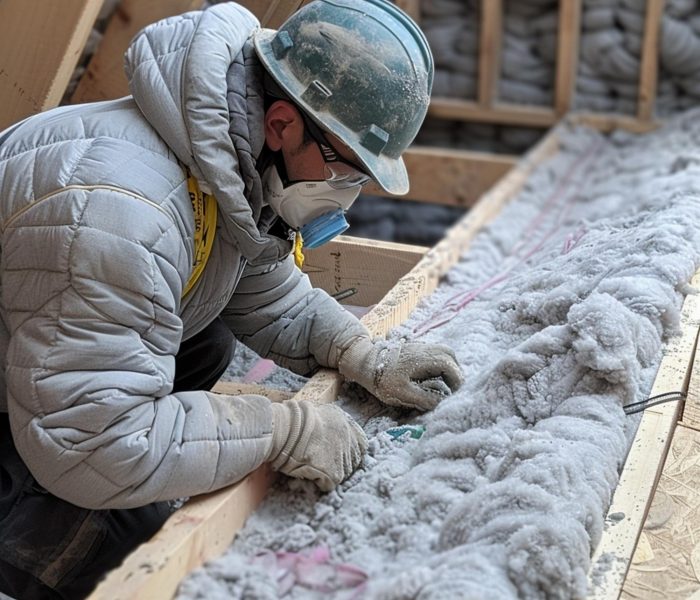
Cellulose Insulation
Cellulose insulation consists of densely packed recycled paper treated with fire retardants and pest repellents. Professionals blow it into attics, walls, or floors for excellent coverage.
- Eco-friendly: Made from 80-85% recycled materials.
- High R-value: About 3.2-3.8 per inch for strong thermal resistance.
- Excellent air sealing: Fills gaps and irregular spaces to block drafts.
- Good soundproofing: Reduces noise from outside or between rooms.
- Cost-effective for large areas like attics.
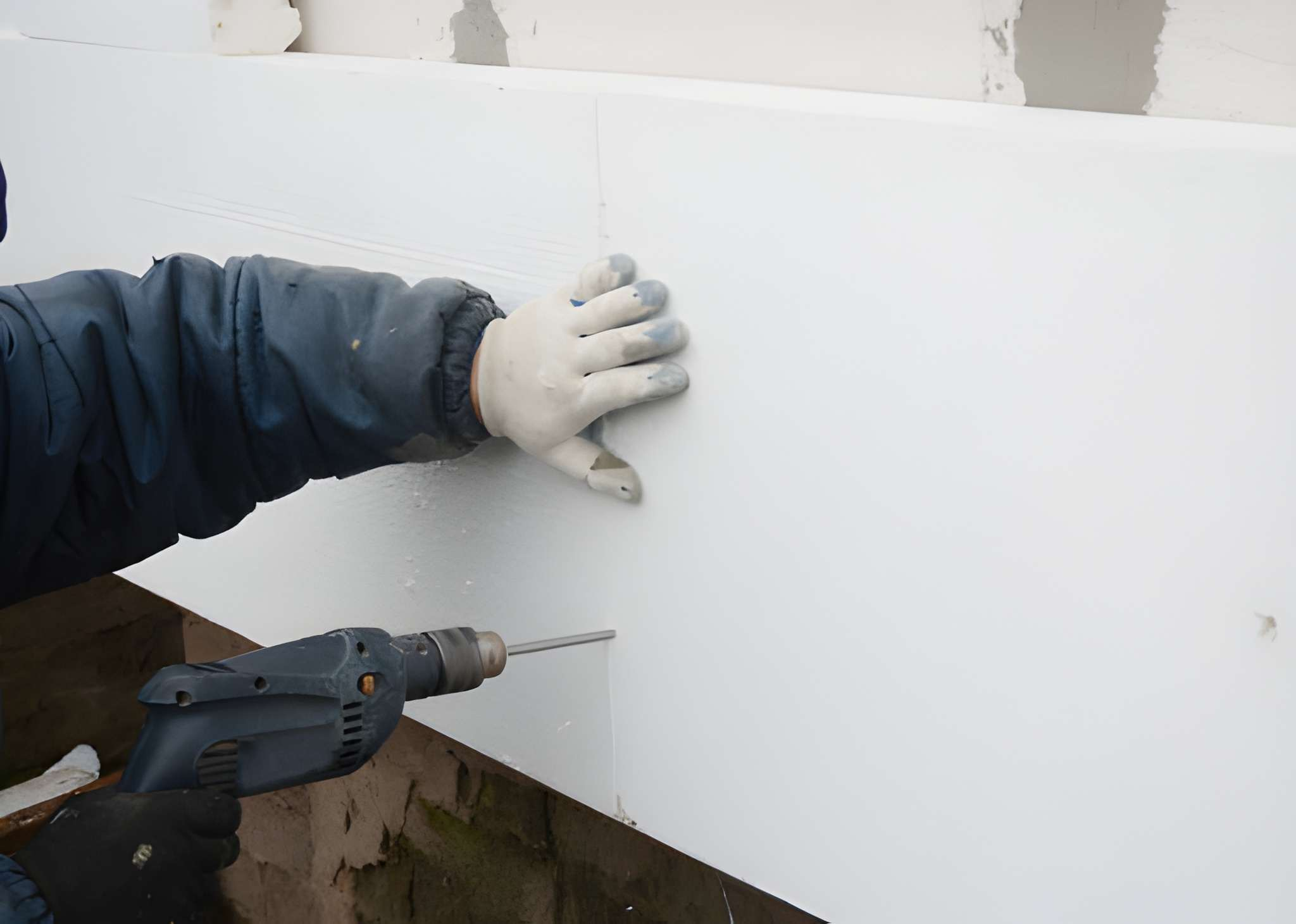
Foam Board Insulation
Foam board insulation features rigid panels cut to fit and attached to surfaces. Common types include EPS, XPS, and polyiso.
Key benefits
- High R-value per inch: Up to 6-8 for polyiso, allowing thinner layers.
- Moisture-resistant: Ideal for damp areas without absorbing water.
- Adds structural strength in some applications.
- Provides continuous insulation to reduce thermal bridging.
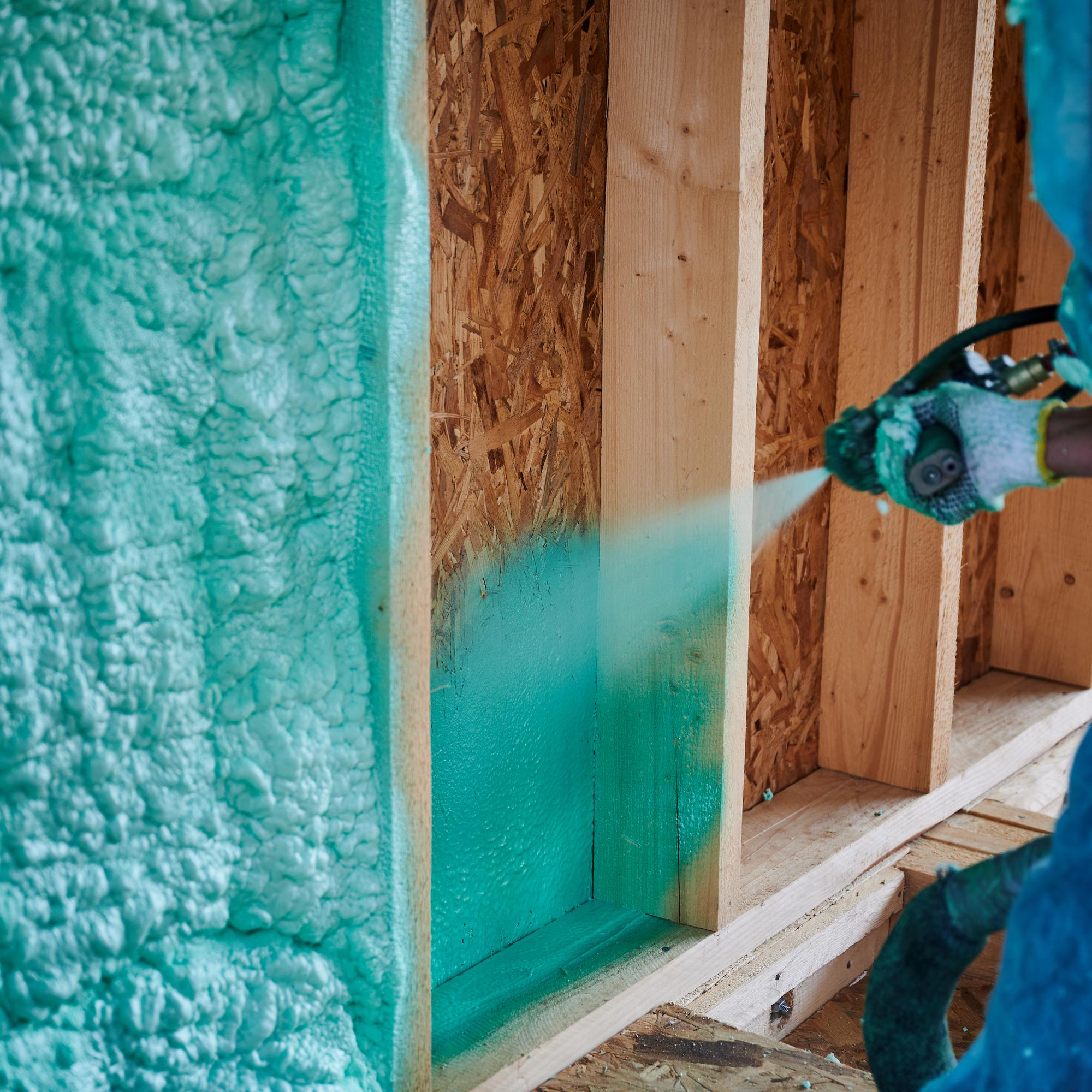
Spray Foam Insulation
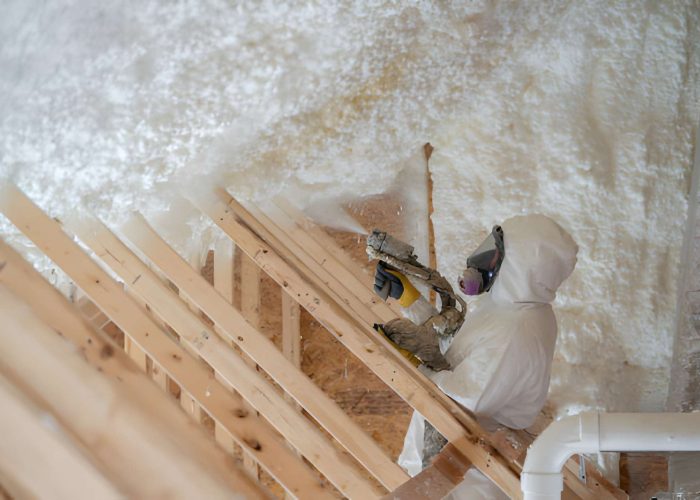
Spray foam insulation applies as liquid, expands to fill spaces, and hardens into a solid barrier. We offer both open-cell and closed-cell options.
Key benefits
- Superior air sealing: Expands to block even tiny gaps for minimal air leakage.
- High R-value: Closed-cell reaches 6-7 per inch.
- Moisture barrier (closed-cell): Adds rigidity and vapor control.
- Versatile: Fits irregular shapes like rim joists or cathedral ceilings.
Get Started With Your Free Assessment
Your home’s energy inefficiency costs you money every month. The free assessment identifies exactly where you’re losing heat and calculates your potential savings with precise insulation recommendations.
Not sure if you qualify? Call our team for a free consultation—no obligation.
Where We Install Insulation
Attics
Attics account for 25-35% of home heat loss. We install blown cellulose to R-49 to R-60 (16-20 inches) or spray foam to seal and insulate in one step, particularly effective for cathedral ceilings.
Walls
We dense-pack cellulose into existing walls through small access holes or install foam board during renovations. For new construction, we recommend spray foam in rim joists and closed-cell in exterior walls.
Basements and Crawl Spaces
We install foam board on concrete walls (R-10 minimum) and spray foam on rim joists where wood framing meets foundation. For dirt crawl spaces, we combine foam board walls with vapor barrier floor covering.
Floors Over Unconditioned Spaces
When heated rooms sit above garages, porches, or vented crawl spaces, we install cellulose or spray foam between floor joists to prevent cold floors and frozen pipes.
Why Upgrade Insulation Now?
- Energy savings: Well-insulated homes use less heat in winter and stay cooler in summer.
- Comfort: Eliminates cold spots, drafts, and overheating rooms.
- Health and safety: Reduces moisture risks and improves indoor air quality.
- Potential incentives: Income-eligible New Yorkers may qualify for assistance through programs like EmPower+ or Weatherization Assistance Program (WAP).
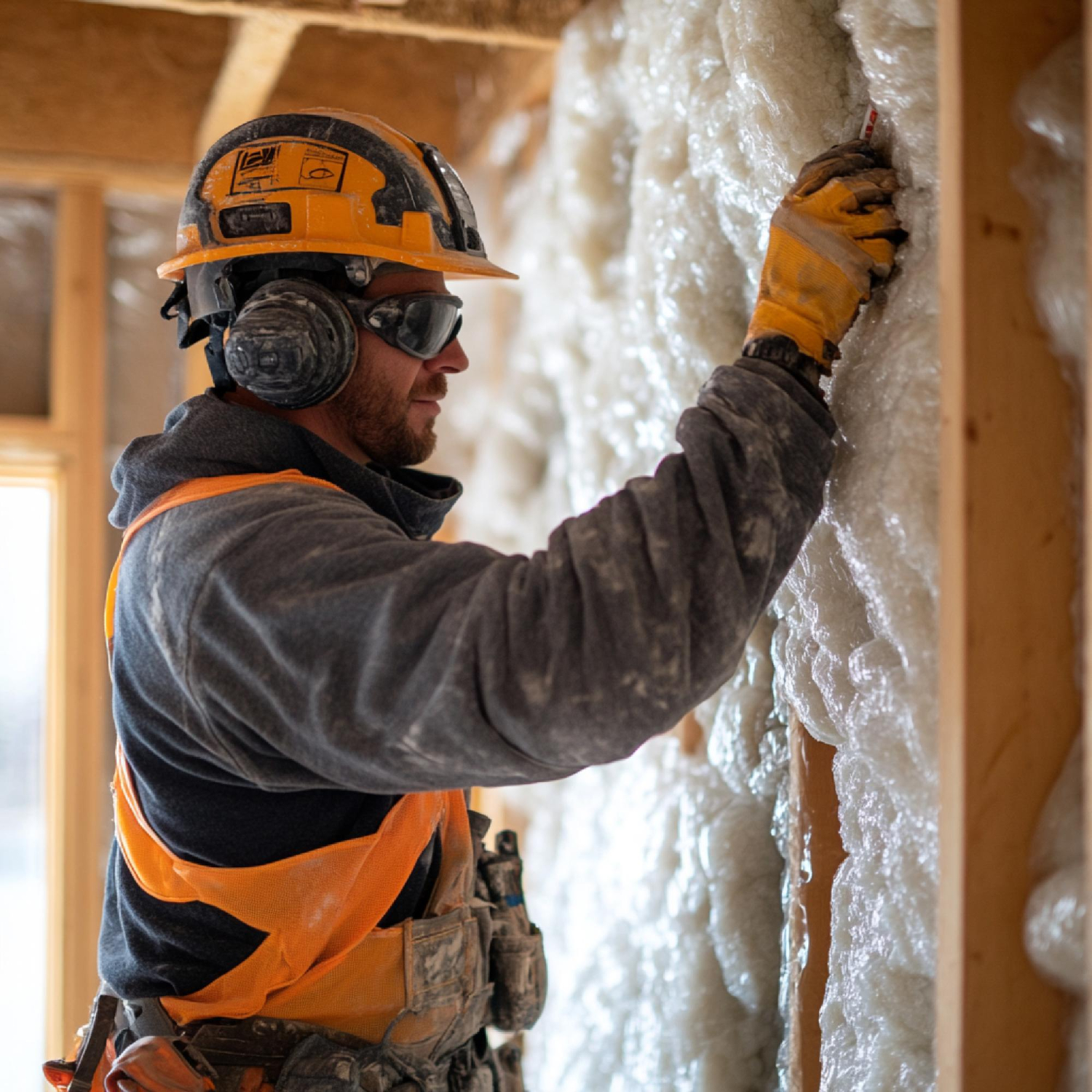
Why Professional Installation Matters
Insulation only performs as rated when installed correctly. Our NYSERDA-approved crews follow strict installation protocols:
- Achieve code-required R-values for New York climate zones
- Maintain proper clearances around recessed lights and chimneys
- Install ventilation baffles in attics to prevent ice dams
- Seal all air leakage sites before adding insulation
- Document work with photos and thermal imaging for quality assurance
New York State Energy Programs That Cover Costs
New york state has several programs which may cover the costs of these upgrades upto 100% if you qualify. Here are the details about them
- Weatherization Assistance Program (WAP)
- EmPower+ Program (NYSERDA)
- Residential Energy Assessment Program
- Utility Company Insulation Rebates

Frequently Asked Questions
How long does insulation last?
Cellulose and spray foam last 80-100 years when properly installed. Foam board lasts indefinitely. We warranty our installation workmanship for 5-10 years depending on product type.
Will insulation make my home too airtight?
Modern homes need controlled ventilation. During our assessment, we measure air exchange rates and recommend ventilation solutions if your home will be too tight after air sealing and insulation.
Can you insulate in winter?
Yes. We install cellulose and foam board year-round. Spray foam requires temperatures above 40°F, so we use temporary heating in winter applications.
What about mold and moisture?
Proper insulation actually reduces condensation risks by keeping wall and ceiling surfaces warmer. We always identify and resolve existing moisture problems before insulating.
Do I need to move out during installation?
No. We work in one section at a time, and you can use other areas of your home normally. Spray foam has a temporary odor that dissipates within 24 hours.
Will insulation help with noise?
Yes. All three types provide soundproofing benefits. Cellulose and spray foam are particularly effective at reducing outdoor noise and sound transmission between floors.