Fiberglass (Batts and Rolls): The 2025 Homeowner’s Guide to Comfort & Efficiency
As we move further into 2025, the conversation around home energy efficiency has shifted from a “nice-to-have” to a financial necessity. With rising utility rates and new federal incentives like the Energy Efficient Home Improvement Credit (25C), upgrading your insulation is one of the smartest investments you can make this year.
Among the myriad of options—from high-tech spray foams to eco-friendly cellulose—fiberglass batts and rolls remain the undisputed king of residential insulation in the United States. But is this traditional material still the right choice for modern high-performance homes?
This guide dives deep into everything you need to know about fiberglass insulation, stripping away the marketing fluff to give you the raw data, installation secrets, and 2025 code updates you need to make an informed decision.
What Are Fiberglass Batts and Rolls?
Fiberglass insulation is composed of extremely fine glass fibers, often made from 40-60% recycled glass content. It works by trapping pockets of air, which slows the spread of heat and cold.
-
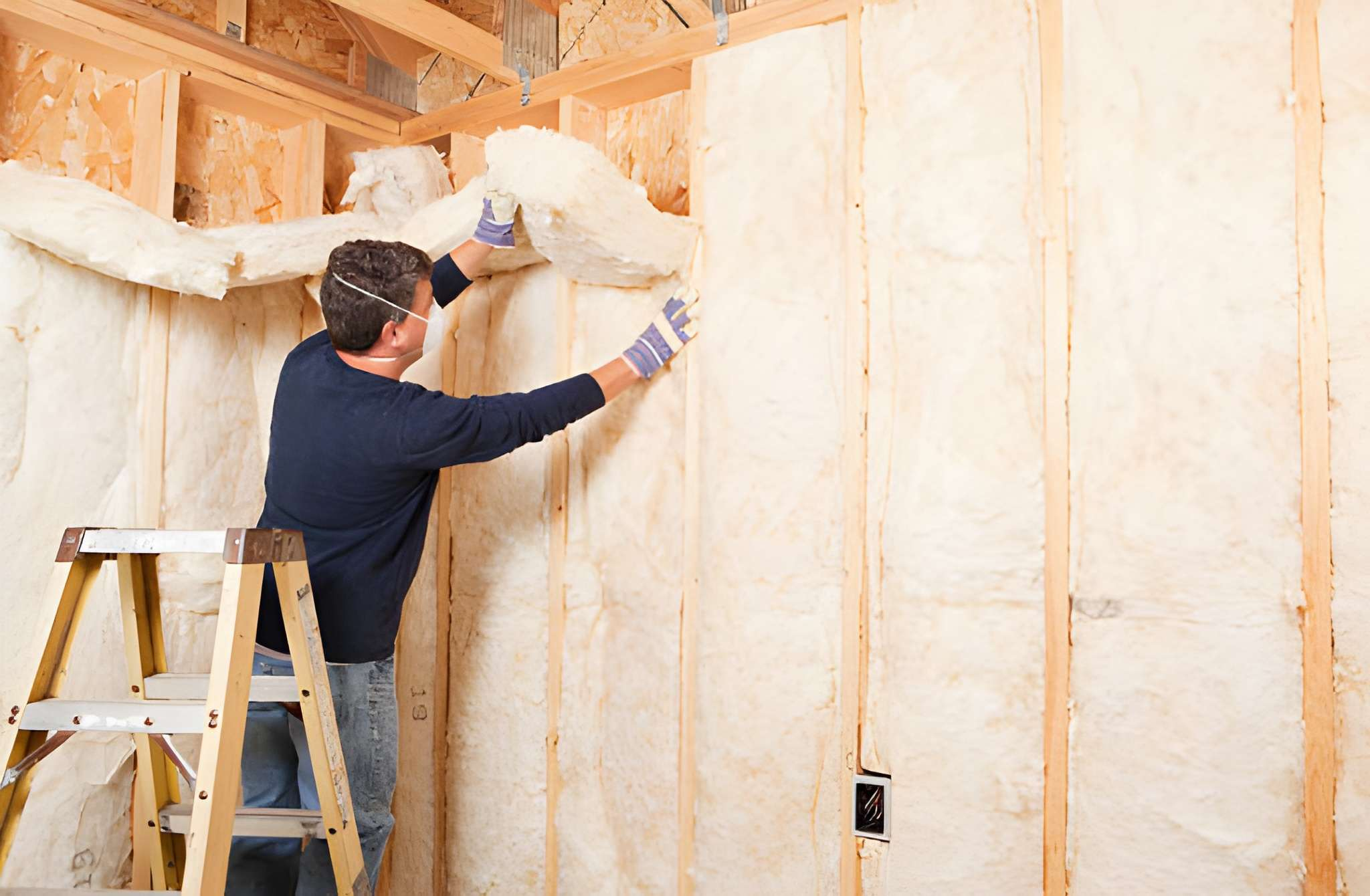
Batts: These are pre-cut flat pieces of insulation designed to fit snugly between standard wall studs, attic trusses, and floor joists. They come in standard lengths (usually 48 or 93 inches) and widths (15 or 23 inches) to match 16-inch or 24-inch on-center framing.
-
Rolls: Essentially the same material as batts but sold in long, continuous lengths (25 to 40 feet). You cut them to size yourself, making them ideal for long, unobstructed runs like attic floors.
Both forms are available faced (with a kraft paper or foil vapor retarder) or unfaced (just the raw fiberglass).
Why Fiberglass Remains a Top Contender in 2025
Despite the rise of newer materials, fiberglass holds a massive market share for several compelling reasons, especially relevant to the 2025 economic landscape.
1. Unbeatable Cost-to-Value Ratio
In 2025, inflation has impacted building material costs. Fiberglass remains the most affordable standard insulation, typically costing $0.90 to $1.50 per square foot installed. Compare this to closed-cell spray foam, which can run upwards of $3.50 to $5.00 per square foot.
2. The DIY Advantage
For the handy homeowner, fiberglass is one of the few insulation projects that is truly DIY-friendly. You don’t need expensive rigs or specialized certifications—just a utility knife, safety gear, and patience.
3. 2025 Tax Credits & Rebates
Under the Inflation Reduction Act, specifically the 25C Energy Efficient Home Improvement Credit, homeowners can claim 30% of the cost of insulation materials (up to $1,200 per year) on their federal taxes. Fiberglass batts that meet the 2021 International Energy Conservation Code (IECC) standards are fully eligible for this credit, essentially giving you a massive discount on your renovation.
Pro Tip: Keep your receipts and the manufacturer’s certification statement to claim this credit when filing your 2025 taxes.
Go Fiberglass in 2025 – Affordable Comfort & Savings Await!
Dive into this 2025 guide to fiberglass batts and rolls: the budget-friendly, DIY option with R-2.9–3.8 per inch, 40-60% recycled content, and easy install for walls, attics, and floors. Avoid common pitfalls like compression or gaps (which cut efficiency 15%), follow pro tips for snug fits and proper facing, and meet stricter IECC codes (R-60 attics, R-20 walls). Claim up to $1,200 in 30% tax credits on materials. For even bigger gains in NY winters, pair it with air sealing and get a FREE in-home energy assessment from the New York Weatherization Program – unlock no-cost upgrades and expert guidance today!
The “Fine Print”: Drawbacks & Considerations
To maintain a true EEAT (Experience, Expertise, Authoritativeness, and Trustworthiness) standard, we must address the limitations.
-
R-Value Limits: Fiberglass typically offers an R-value of R-2.9 to R-3.8 per inch. In 2×4 walls, you top out around R-13 or R-15. To meet the stricter 2025 IECC code requirements (often R-20+ for walls in northern zones), you may need 2×6 framing or continuous exterior insulation alongside the fiberglass.
-
The “Gap” Problem: Fiberglass performance plummets if installed poorly. Even a 3% gap in insulation can result in a 15% drop in thermal efficiency. It does not air-seal; air can pass right through it if you don’t use caulk or foam to seal the wall cavity first.
-
Safety First: While modern fiberglass is less irritating than the “pink stuff” of the 90s, it still sheds fibers. Proper PPE (Personal Protective Equipment) is non-negotiable.
Fiberglass vs. The Competition
| Feature | Fiberglass Batts | Mineral Wool | Spray Foam (Closed Cell) |
| Cost | $ | $$ | $$$$ |
| R-Value/Inch | 3.1 – 3.8 | 3.7 – 4.2 | 6.0 – 7.0 |
| Moisture Resistance | Low (needs vapor barrier) | High (hydrophobic) | Excellent (waterproof) |
| Soundproofing | Good | Excellent | Good |
| DIY Friendly? | Yes | Yes | No |
Critical Installation Guide: Don’t Crush the Fluff!
The single biggest mistake homeowners make is compression. Fiberglass relies on air pockets to work. If you jam an R-19 batt into a 3.5-inch wall cavity intended for R-13, you crush those air pockets, reducing the effectiveness to R-13 or less—essentially wasting money.
Step-by-Step for a Perfect Install:
-
Air Seal First: Before opening a single bag of insulation, use canned foam to seal around electrical boxes, wire penetrations, and top/bottom plates. This is critical for stopping drafts.
-
Cut for Obstructions: Don’t stuff insulation behind wires. Split the batt down the middle and sandwich the wire, or cut a slit in the back.
-
Fit, Don’t Stuff: The batt should friction-fit snugly but not bulge. It should look like a comfortable pillow, not an overstuffed turkey.
-
Vapor Barrier Logic: In cold climates (like New York), the paper facing (kraft) goes toward the warm side (the interior). In hot-humid climates, you often want unfaced batts to allow the wall to breathe.
For a detailed walkthrough on air sealing and prepping your home before insulating, check out our guide on The Ultimate Guide to Home Insulation: Comfort, Savings, and Efficiency in 2025.
2025 IECC Code Watch: What You Need to Know
Building codes are becoming stricter. In 2025, many states are adopting provisions from the newer IECC codes.
-
Attics: The target is moving toward R-60 in northern climate zones (Zones 4-8). If you are using batts, this implies multiple layers or a “batt plus blown-in” hybrid approach.
-
Walls: R-20 is becoming the standard for 2×6 walls.
-
Basements: Unfinished basements in Zone 5+ often require R-15 continuous or R-19 cavity insulation.
If you are in the New York area and confused about these specific climate zone requirements, the NY Weatherization Program is an excellent resource to help you navigate local compliance and find certified contractors.
Common Myths Debunked
-
“Fiberglass causes cancer.”
-
Fact: In 2001, the International Agency for Research on Cancer (IARC) removed fiberglass from its list of possible human carcinogens. It is safe when handled with standard safety gear.
-
-
“You don’t need a vapor barrier.”
-
Fact: This depends entirely on your climate. In mixed climates, “smart” vapor retarders are often better than polyethylene plastic, which can trap moisture and cause rot.
-
-
“Higher R-value always equals better comfort.”
-
Fact: R-value only measures thermal resistance. If your house leaks air like a sieve, R-60 insulation won’t keep you warm. Air sealing is just as important as R-value.
-
Conclusion
Fiberglass batts and rolls remain a powerhouse in the residential insulation market of 2025. They offer a balance of affordability, availability, and DIY potential that is hard to beat. However, their performance is strictly tied to the quality of the installation. A sloppy job with R-30 batts will perform worse than a perfect job with R-19.
By understanding the importance of air sealing, avoiding compression, and leveraging the new 2025 tax credits, you can upgrade your home’s thermal envelope without breaking the bank.
Whether you are retrofitting an old attic or finishing a basement, start with a solid plan. And if you need professional guidance on navigating these upgrades in the New York region, visit nyweatherizationprogram.com to get started on your journey to a more comfortable, efficient home.