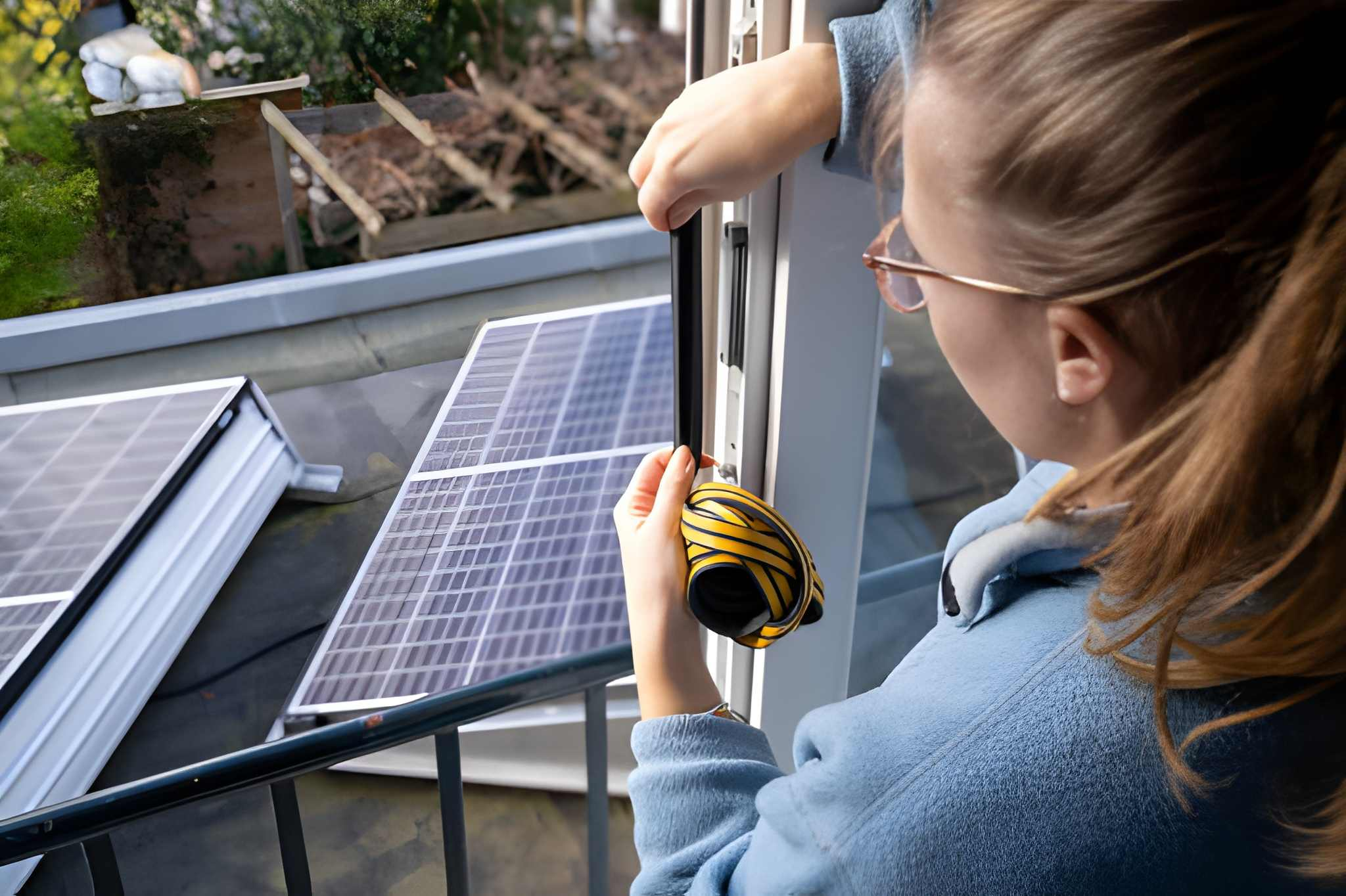
Home Weatherstripping As Weekend Project
As a New York homeowner, you know those brutal winters and humid summers can make your energy bills skyrocket. But what if you could fight back with a simple fix that takes just a weekend? Enter weatherstripping: a thin, flexible material that seals gaps around doors, windows, and other openings to keep conditioned air inside where it belongs. It’s a cornerstone of home energy efficiency, preventing drafts that force your heating and cooling systems to work overtime.
This DIY weatherstripping project isn’t just quick—it’s a smart investment. According to the U.S. Department of Energy, sealing air leaks like these can slash your heating and cooling costs by up to 10%. For the average New York household spending around $677 on heating alone this winter, that’s potential savings of $60–$70 annually, paying for the materials in no time. Plus, it’s eco-friendly, reducing your carbon footprint in a state like New York that’s pushing hard for greener homes.
Ready to take control of your comfort and wallet? Grab your toolkit and let’s dive in. If you’re looking for more ways to weatherproof your home, head to our homepage at nyweatherizationprogram.com for expert tips and resources tailored to Empire State living.
What Is Weatherstripping?
Imagine your home as a cozy castle under siege by invisible invaders: cold winter drafts and hot summer humidity sneaking through tiny cracks. Weatherstripping is your first line of defense—a simple air sealing technique that blocks those leaks at the source. It’s part of a broader strategy called air sealing, which targets uncontrolled airflow in your home’s envelope (that’s the walls, roof, and foundation). Without it, you’re losing up to 30% of your heated or cooled air just through gaps around movable parts like doors and windows.
Air leaks are sneaky. They occur where building materials meet and move, creating pathways for energy loss. In a typical New York home, common culprits include:
- Doors: The biggest offenders, especially exterior ones. Gaps at the bottom, sides, or top let in gusts that chill your living room faster than a nor’easter.
- Windows: Operable sashes and frames often warp over time, allowing air to whistle through.
- Attics and Basements: Access hatches and vents here exchange indoor air with unconditioned spaces, spiking your bills.
- Outlets and Fixtures: Even electrical boxes can leak, though weatherstripping shines brightest on larger openings.
Why does this matter for you? In New York’s variable climate—from Hudson Valley snow to Long Island fog—unsealed leaks amplify discomfort and inefficiency. Your furnace or AC runs longer, wearing out faster and guzzling energy. But sealing them with weatherstripping creates a tighter home, improving indoor air quality by keeping out pollutants and allergens too.
Think of it as giving your home a snug winter coat. It’s not about turning your space into a hermetic seal (that’s overkill and unhealthy), but smartly plugging the big leaks. For deeper dives into related fixes, explore our detailed insulation services to layer on even more savings.
By understanding these basics, you’re already ahead. Weatherstripping isn’t a band-aid; it’s foundational to energy efficiency, helping you reclaim dollars that would otherwise vanish up the chimney.
Seal Drafts This Weekend & Save Big!
Turn a quick DIY weekend into real savings: weatherstrip doors, windows, and garage with easy materials like vinyl strips, foam tape, or door sweeps. Stop up to 30% of heat loss through gaps, cut bills by 10% ($60–$70/year for average NY homes), pay back costs in 6–12 months, and enjoy cozier rooms with less HVAC wear. Avoid common pitfalls and maintain seals easily for lasting results. Ready for more? Get a FREE in-home energy assessment from the New York Weatherization Program to find hidden leaks and unlock no-cost upgrades (especially for income-eligible households). Start sealing today!
Types of Weatherstripping Materials
Choosing the right weatherstripping material is like picking the perfect tool for the job—match it to your needs, and you’ll get years of reliable service. With so many options, it’s easy to feel overwhelmed, but we’ll break it down simply. Each type excels in durability, ease of install, and suitability for different spots in your home.
Here’s a quick rundown of popular choices:
- Foam Tape: The beginner’s best friend. This compressible strip adheres with a sticky back, making it super simple to apply. It’s affordable and flexible, ideal for irregular gaps on windows or interior doors. Durability? About 1–3 years before it compresses and loses bounce. Best for low-traffic areas where you want a no-fuss fix.
- Vinyl (V-Strip or Bulb Seal): Tougher than foam, vinyl holds its shape against repeated openings. It’s great for doors that swing often, as the flexible fin or bulb compresses without tearing. Installation is straightforward with nails or adhesive, and it lasts 5–10 years. Pro tip: Choose UV-resistant vinyl for sunny windows to avoid cracking.
- Felt Strips: Soft and fuzzy, felt excels at absorbing sound and minor drafts. Nail or glue it in place for cabinet doors or attic hatches. It’s the cheapest option but wears out quickest (6–12 months in high-use spots), so reserve it for hidden, low-movement areas.
- Metal (Bronze or Aluminum): For heavy-duty needs like exterior doors or garage entries, metal interlocks like tiny fingers to block air. It’s incredibly durable (20+ years) and weather-resistant, perfect for New York’s salty coastal air. Installation requires more skill—screws or clips—but the payoff is a premium seal.
- Silicone Tubes or Seals: Squeeze ’em in place for a custom fit. These rubber-like tubes resist extreme temps (-40°F to 200°F), making them stars for garage doors or basement bulkheads. They last 10–15 years and install without tools, though they’re pricier upfront.
To help you decide at a glance, here’s a comparison table
| Material | Durability (Years) | Installation Ease | Best Use Cases | Cost per Linear Foot |
| Foam Tape | 1–3 | Very Easy | Windows, interior doors | $0.10–$0.20 |
| Vinyl | 5–10 | Easy | Exterior doors, operable windows | $0.20–$0.40 |
| Felt | 0.5–1 | Easy | Cabinets, low-traffic hatches | $0.05–$0.15 |
| Metal | 20+ | Moderate | Front doors, garages | $0.50–$1.00 |
| Silicone | 10–15 | Very Easy | Basements, uneven gaps | $0.30–$0.60 |
When shopping, consider your home’s quirks. For a drafty Brooklyn brownstone door, vinyl might edge out foam for longevity. Always check for low-VOC options to keep indoor air clean. With the right pick, your DIY weatherstripping project becomes a set-it-and-forget-it win, boosting home energy savings without breaking the bank.
Tools and Preparation
Before you unbox that weatherstripping, a little prep turns chaos into confidence. Think of this as your project’s foundation—skip it, and you’ll waste time (and tape) fixing mistakes later. You’ll need basic tools, most of which you likely have in your garage or can grab for under $50 at a local hardware store.
Essential Tools and Materials:
- Utility knife or scissors for cutting strips to size.
- Measuring tape to gauge gaps accurately.
- Caulk gun (optional, for hybrid sealing) and cleaning supplies like soapy water or rubbing alcohol.
- Level and pencil for marking straight lines.
- Ladder for high windows or attic access.
- Weatherstripping kit (start with a multi-pack for testing).
Safety first: Work in well-ventilated areas, wear gloves to avoid adhesive residue, and unplug power if sealing around outlets. For New York homes with older wiring, a quick circuit check prevents shocks.
Now, the step-by-step prep:
- Inspect for Gaps: On a windy day, walk your home’s perimeter. Hold a lit incense stick near edges—smoke wisps reveal leaks. Or use the “backdraft” test: shut everything off and feel for air movement with your hand. Focus on doors, windows, and garage doors first.
- Measure Dimensions: For each spot, note the length of the frame sides, top, and bottom. Add 10% extra for overlaps—better to trim than come up short. Jot it on a notepad or app for easy reference.
- Clean Surfaces: Dust, grease, or old paint sabotage adhesion. Wipe frames with a damp cloth and mild soap, then dry thoroughly. For stubborn grime, a 50/50 alcohol-water mix works wonders. Let everything air-dry for 30 minutes.
- Energy Audit Tip: While you’re at it, note bigger issues like insulation voids. A free home energy audit can uncover hidden leaks worth hundreds in savings.
- This prep phase takes 1–2 hours but saves you double that in frustration. You’re not just installing strips; you’re auditing your home’s efficiency. Pat yourself on the back—you’re already saving energy and money.
Seal Drafts This Weekend & Save Big!
Turn a quick DIY weekend into real savings: weatherstrip doors, windows, and garage with easy materials like vinyl strips, foam tape, or door sweeps. Stop up to 30% of heat loss through gaps, cut bills by 10% ($60–$70/year for average NY homes), pay back costs in 6–12 months, and enjoy cozier rooms with less HVAC wear. Avoid common pitfalls and maintain seals easily for lasting results. Ready for more? Get a FREE in-home energy assessment from the New York Weatherization Program to find hidden leaks and unlock no-cost upgrades (especially for income-eligible households). Start sealing today!
Step-by-Step Weatherstripping Installation Guide
Alright, gloves on—it’s go time. This guide walks you through installing weatherstripping on doors, windows, and garage doors. We’ll keep it actionable: short steps, clear visuals in mind, and tips for that “aha” moment. Aim for a Saturday morning start; you’ll wrap by afternoon with a noticeably cozier home. Remember, measure twice, cut once.
Installing on Doors
Doors are prime real estate for leaks, but sealing them is straightforward. Focus on the jamb (frame) and threshold.
- Choose your material: Vinyl or foam for most; metal for exteriors.
- Measure the door frame: Run tape along the top, latch side, and hinge side. For the bottom, measure the threshold gap (usually 1/4–1/2 inch).
- Cut strips: Use your utility knife to snip pieces slightly longer than measurements.
- Clean and dry the frame as prepped earlier.
- Apply to sides and top: Peel adhesive backing (if applicable) and press firmly into the jamb, compressing slightly against the door when closed. Start at the top corner, working down. For nailed types, tap gently with a hammer.
- Seal the bottom: For doors, use a door sweep (attached to the bottom edge) or threshold strip. Screw or adhere it so bristles or vinyl kiss the floor without dragging.
- Test: Open and close 10 times. Adjust for smooth operation—no sticking or gaps.
Pro tip for NY winds: Double-check exterior doors swing inward to avoid snow buildup.
Installing on Windows
Windows vary—sliding, casement, double-hung—but the principle is sealing moving parts.
- Select foam or vinyl tape for flexibility.
- Identify gaps: For double-hung, check sash edges; for sliders, the track.
- Measure each sash perimeter: Add 10% buffer.
- Cut and position: Apply tape to the frame side that contacts the sash. For sliders, line the track.
- Press in place: Rub firmly with a cloth for adhesion. Avoid covering operable parts that need to slide.
- For cranks or locks: Tuck small pieces around hardware.
- Verify: Cycle the window open/closed. Air shouldn’t whoosh through.
In humid NYC summers, silicone edges out others for mold resistance.
Installing on Garage Doors
Garages are energy vampires—uninsulated and drafty. Weatherstripping here pays big dividends.
- Opt for vinyl bulb seals or silicone—durable against vehicle traffic.
- Inspect the door: Note bottom, sides, and top seals; replace if cracked.
- Measure panels: Each section’s height and width.
- Prep track: Clean the header, jambs, and floor seal channel.
- Install vertical seals: Screw or clip U-shaped strips to side jambs, ensuring the bulb faces inward.
- Add bottom seal: Slide a T- or J-shaped retainer into the door’s bottom lip, then snap in the vinyl insert. Trim to fit.
- Top seal: Adhere or nail a bulb strip to the header above the door.
- Cycle test: Raise/lower fully. Adjust tension if it binds.
For attached garages in Rochester’s freeze-thaw cycles, metal-reinforced options prevent warping.
There you have it—your home’s armor upgraded. If a step stumps you, pause and re-measure. This isn’t perfection; it’s progress toward better home energy savings.
Common Mistakes to Avoid
Even pros slip up, but you can sidestep pitfalls with foresight. DIY weatherstripping is forgiving, but these errors can leave drafts (and regrets) behind.
- Overlooking Gaps: Rushing measurement leads to short strips. Always add that 10% buffer and double-check with the door closed—light sneaking under means air will too.
- Poor Adhesion from Dirty Surfaces: Skip cleaning, and your tape peels like autumn leaves. Solution: A quick alcohol wipe; wait 24 hours before heavy use.
- Wrong Material Match: Foam on a slamming front door? It’ll flatten fast. Troubleshooting: Swap for vinyl and monitor wear quarterly.
- Over-Compression or Overlap: Strips too tight bind doors; too loose leak. Fix: Trim overlaps and test swing—aim for a “snug hug,” not a chokehold.
- Ignoring Expansion: In NY’s temperature swings, materials shift. Avoid rigid types on wood frames; go flexible.
Spot a issue? Gently remove with a putty knife, clean residue, and reapply. Most mistakes are reversible, turning “oops” into “lesson learned.” Your seal air leaks effort will shine brighter for it.
Energy and Cost Benefits
Why bother with this weekend warrior task? The numbers don’t lie: weatherstripping is a high-ROI energy efficiency project. Sealing those pesky air leaks can cut your heating and cooling bills by up to 10%, per ENERGY STAR guidelines. In New York, where average winter heating tabs hit $677 for natural gas users, that’s $67 back in your pocket yearly—enough for a family dinner out.
But it’s more than dollars. Unsealed homes waste energy equivalent to leaving a window open 24/7, per DOE estimates. Plugging leaks means your HVAC runs 5–15% less, extending its life and shrinking your carbon emissions. For environmentally conscious New Yorkers, that’s a win: reducing household GHG by 1–2 tons annually aligns with state goals for net-zero by 2050.
ROI timeline? Materials cost $20–$100; payback in 6–12 months via lower Con Ed or National Grid statements. Track it with a simple before/after bill comparison. Long-term, combine with insulation for compounded home energy savings—up to 20% total reduction.
Locally, NY’s Weatherization Assistance Program echoes this: low-income households see 25%+ savings post-sealing. You’re not just saving cash; you’re building resilience against rising utility rates (up 8% this gas season). It’s practical stewardship for your wallet, home, and planet.
Maintenance and Longevity
Your fresh seals won’t last forever, but smart upkeep stretches them seasons-long. Treat weatherstripping like home maintenance 101: inspect twice yearly, clean quarterly.
- Spring/Fall Checks: Vacuum dust bunnies from strips; wipe with mild soap. Look for cracks or compression—replace if gaps reappear.
- Winter Prep: For exterior spots, apply silicone spray to vinyl/metal for flexibility against ice.
- Summer Hack: Ensure no mold on basement seals; a vinegar dab prevents it.
Seasonal tips keep costs low: A $5 cleaner kit extends life 20–50%. In NY’s four seasons, this ritual ensures your DIY weatherstripping investment endures.
When to Call a Professional
DIY shines for simple seals, but know your limits. If gaps exceed 1/2 inch, involve structural tweaks, or you spot widespread leaks (like in an uninsulated attic), pros bring tools like blower doors for comprehensive air sealing.
Older NY homes—think pre-1940 Victorians—often need custom insulation alongside. Signs it’s time: Persistent drafts post-DIY, high bills despite efforts, or health issues from poor IAQ.
Don’t sweat it—experts handle the heavy lifting safely. Email at info@aaahomeenergysolutions.com to schedule a professional consultation for a tailored plan that maximizes your energy efficiency project.
Seal Drafts This Weekend & Save Big!
Turn a quick DIY weekend into real savings: weatherstrip doors, windows, and garage with easy materials like vinyl strips, foam tape, or door sweeps. Stop up to 30% of heat loss through gaps, cut bills by 10% ($60–$70/year for average NY homes), pay back costs in 6–12 months, and enjoy cozier rooms with less HVAC wear. Avoid common pitfalls and maintain seals easily for lasting results. Ready for more? Get a FREE in-home energy assessment from the New York Weatherization Program to find hidden leaks and unlock no-cost upgrades (especially for income-eligible households). Start sealing today!
Conclusion
Weatherstripping isn’t glamorous, but it’s a game-changer: sealing air leaks for comfort, savings, and sustainability. This weekend, you’ve got the blueprint to trim bills, cozy up your space, and contribute to New York’s greener future.
Grab those supplies and get sealing—or if pros fit better, we’re here. Visit nyweatherizationprogram.com to start your journey. Your home (and wallet) will thank you. What’s your first seal? Share in the comments—we’re all in this together.