
Home Energy Audit: The Essential First Step in New York's Weatherization Program
If you’re dealing with high energy bills, drafty rooms, or uneven temperatures throughout your New York City home, air leaks are likely the culprit. Air sealing is one of the most effective and affordable ways to improve your home’s comfort while cutting energy costs—and it’s especially critical for NYC’s older buildings.
Check For Eligible Rebates
"*" indicates required fields
Our Partners








What Is Air Sealing?
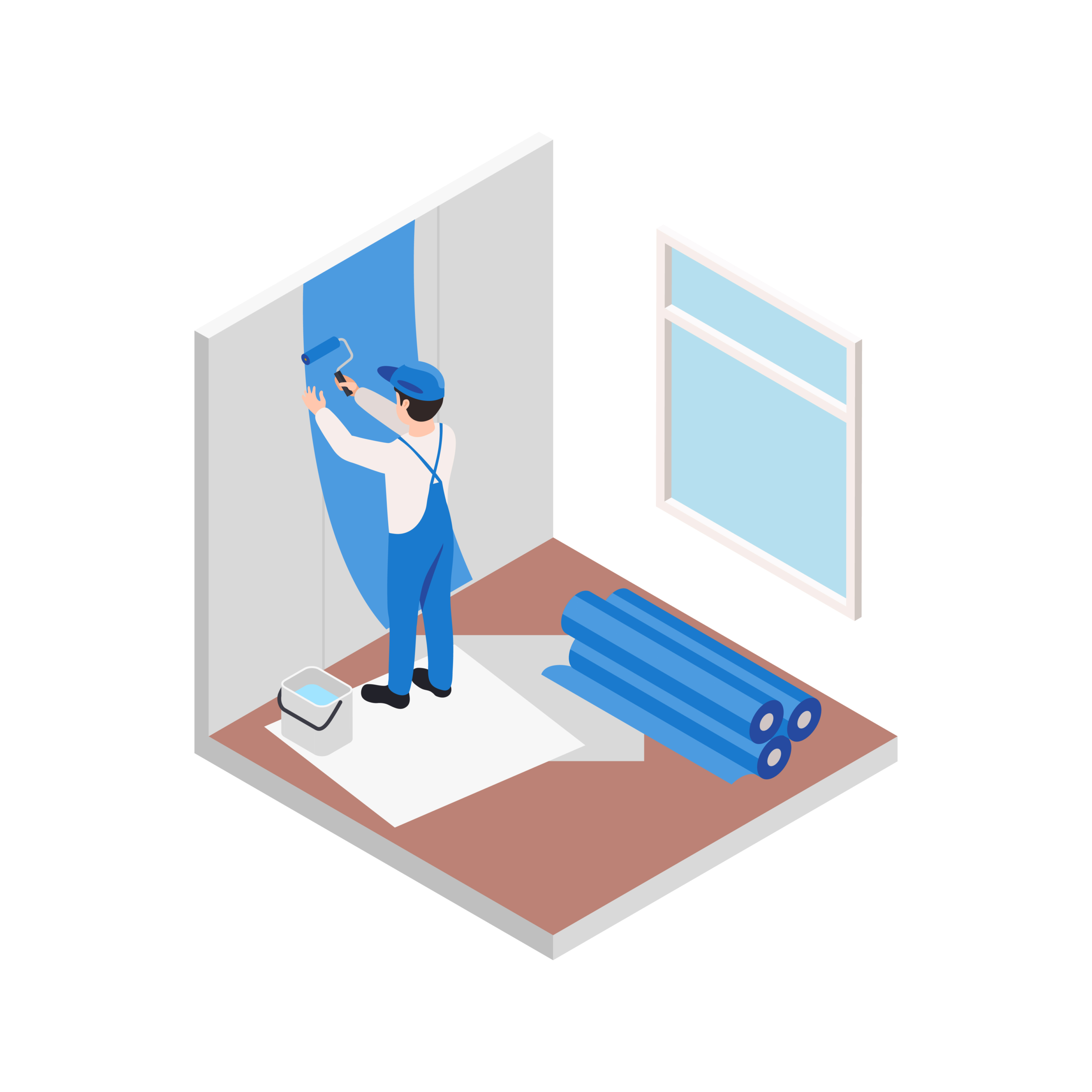
Air sealing is the process of finding and closing gaps, cracks, and leaks throughout your home where conditioned air escapes and outside air enters. These openings exist in places you might not expect: around windows and doors, near recessed lighting, at plumbing penetrations, around the attic access hatch, and along basement rim joists.
While each individual leak might seem minor, together they can equal leaving a window wide open year-round. That means your heating and cooling systems work overtime to maintain comfortable temperatures, driving up utility bills and wearing out equipment faster.
Why Air Sealing Matters for NYC Homes
New York City’s building stock presents unique challenges. Many apartments and homes are in pre-war buildings with aging infrastructure, brownstones with original construction details, or older multi-family buildings where air leakage between units is common. These structures often have:
- Aging window frames and deteriorated seals
- Original plumbing and electrical penetrations that were never properly sealed
- Poorly insulated attic hatches and basement access points
- Cracks in exterior walls from building settlement
Our Professional Air Sealing Process
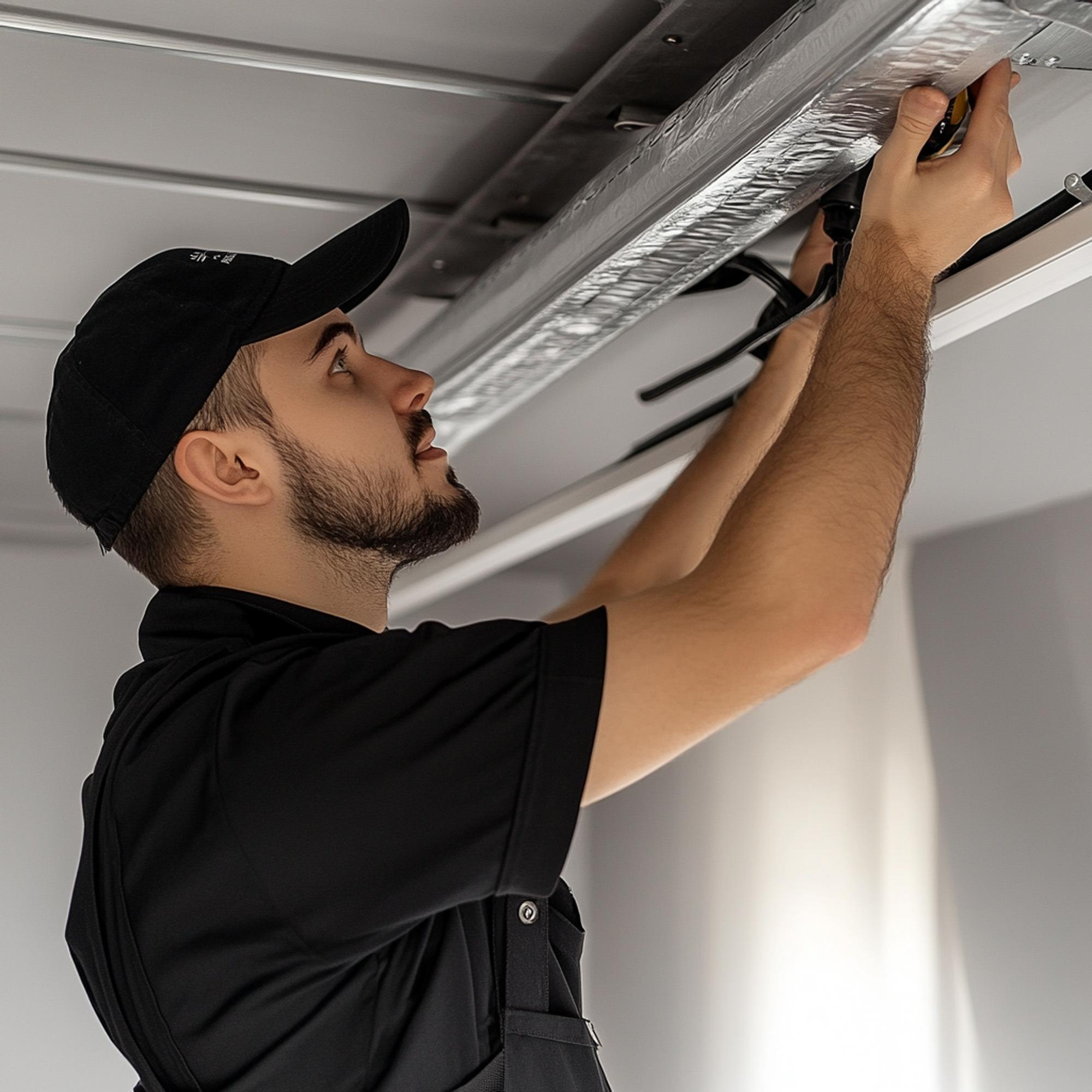
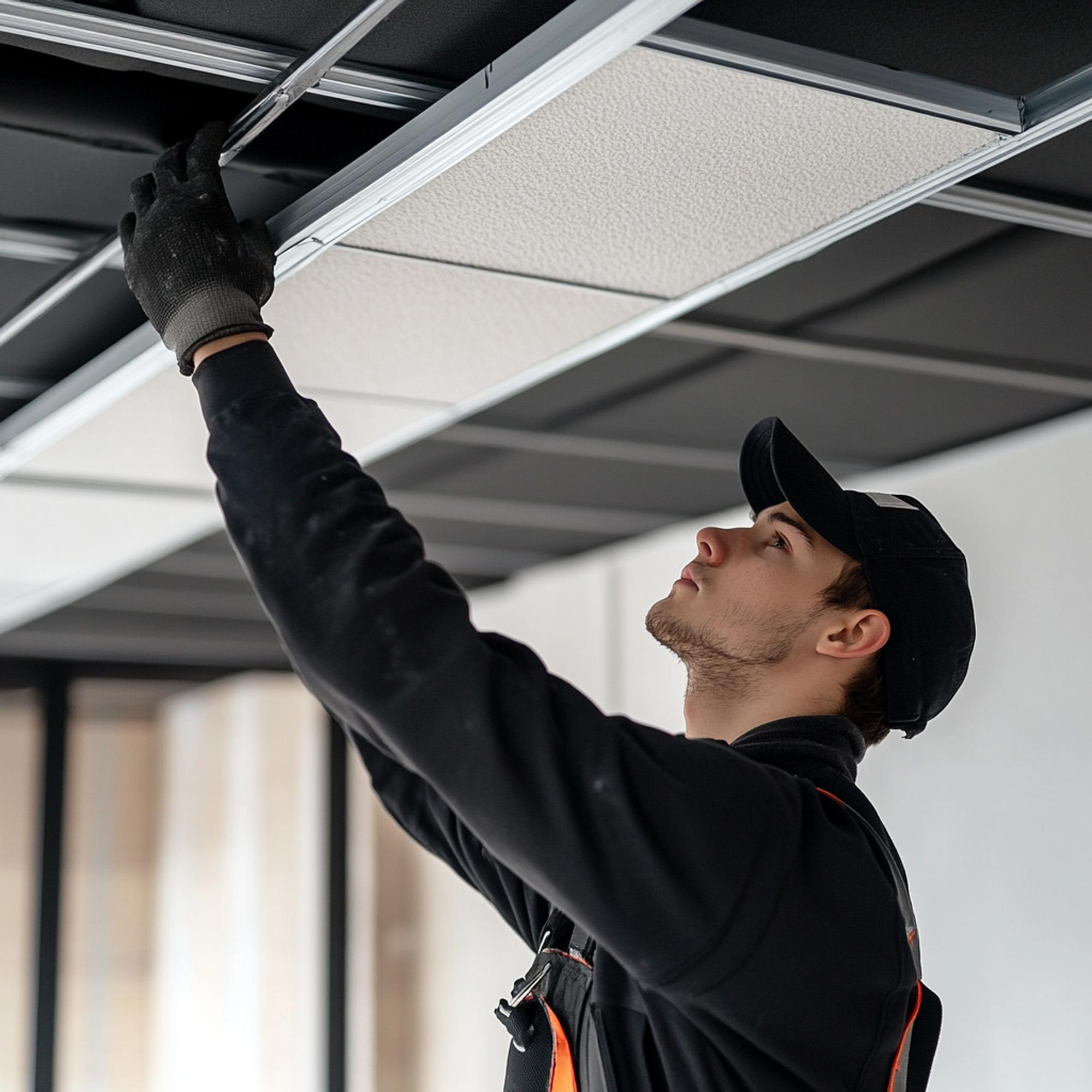
We don’t guess where your air leaks are—we find them scientifically using professional diagnostic equipment:
- Blower Door Testing: This test quantifies exactly how leaky your building is and helps us identify specific problem areas by making air leaks more obvious.
- Thermal Imaging: Infrared cameras show us temperature differences in your walls, ceilings, and floors, revealing hidden air leakage pathways that aren't visible to the naked eye.
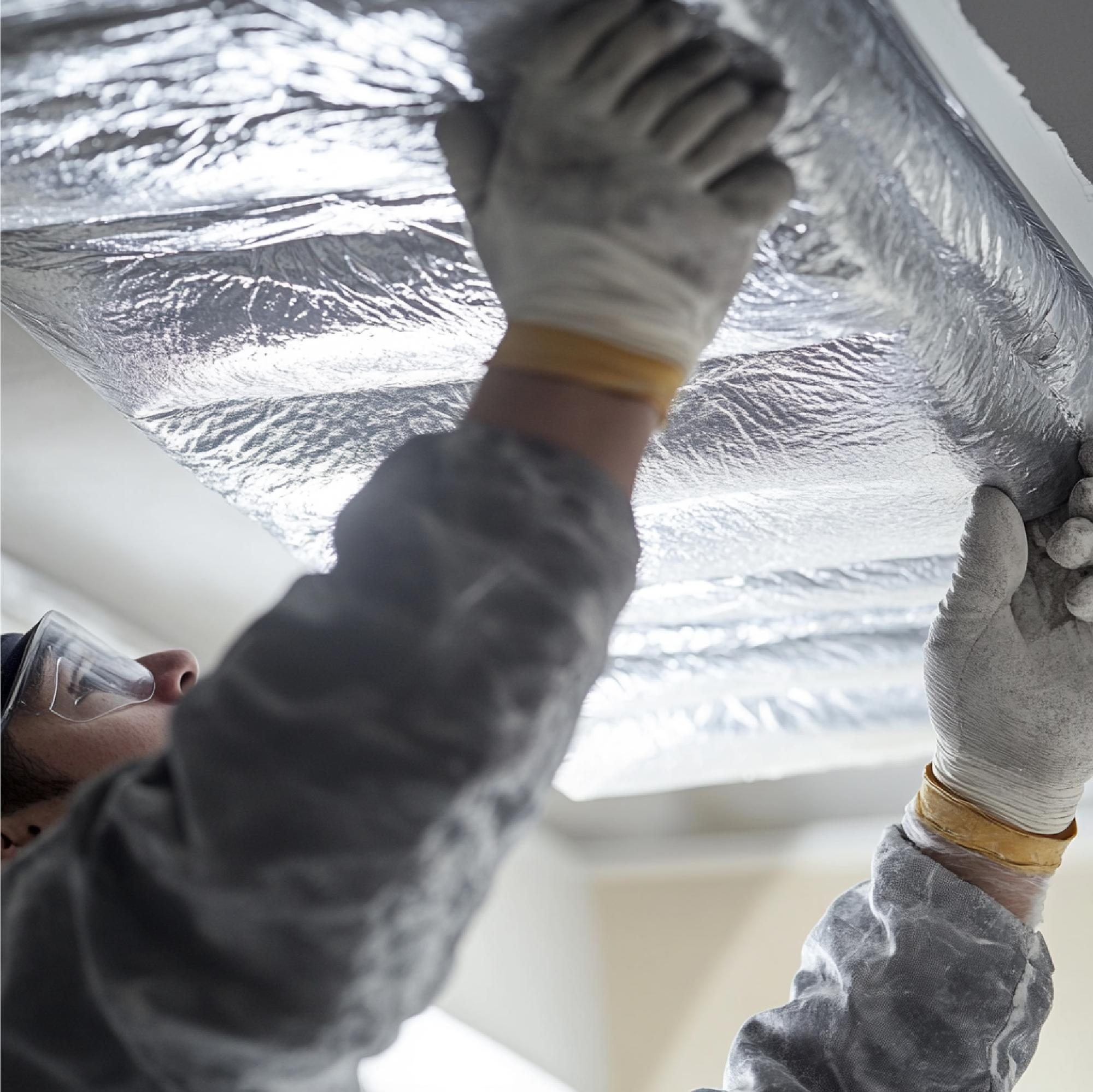
- Strategic Sealing: Using industry-grade materials—including spray foam, caulk, weatherstripping, and rigid foam board—we seal the identified leaks in order of priority, focusing on the areas that will deliver the greatest energy savings.
- Verification Testing: After completing the air sealing work, we conduct another blower door test to measure the improvement and verify that your home now meets performance targets.
Ready to Lower Your Bills and Improve Your Home?
Don’t wait—energy costs rise every winter. A free audit is your no-risk starting point.
Not sure if you qualify? Call our team for a free consultation—no obligation.
Real Benefits You'll Experience
Lower Energy Bills
Air sealing reduces the amount of heated or cooled air that escapes your home, which means your HVAC system doesn't have to run as long or as hard. According to the U.S. Department of Energy, proper air sealing and insulation can reduce heating and cooling costs by up to 20%.
Year-Round Comfort
Say goodbye to cold floors in winter, hot spots in summer, and drafty rooms all year. Air sealing creates consistent temperatures throughout your home, eliminating uncomfortable microclimates.
Better Indoor Air Quality
Uncontrolled air leaks allow outdoor pollutants, allergens, dust, and moisture to enter your home. By sealing these pathways, you prevent these contaminants from infiltrating your living space, which is especially important for people with asthma or allergies.
Extended HVAC System Life
When your heating and cooling equipment doesn't have to compensate for constant air leakage, it operates more efficiently and experiences less wear and tear. This translates to fewer repairs and a longer system lifespan.
Moisture and Mold Prevention
Air leaks can allow humid outdoor air to enter wall cavities and insulation, creating conditions for mold growth and structural damage. Proper air sealing helps control moisture levels and protects your home's integrity.
Materials We Use
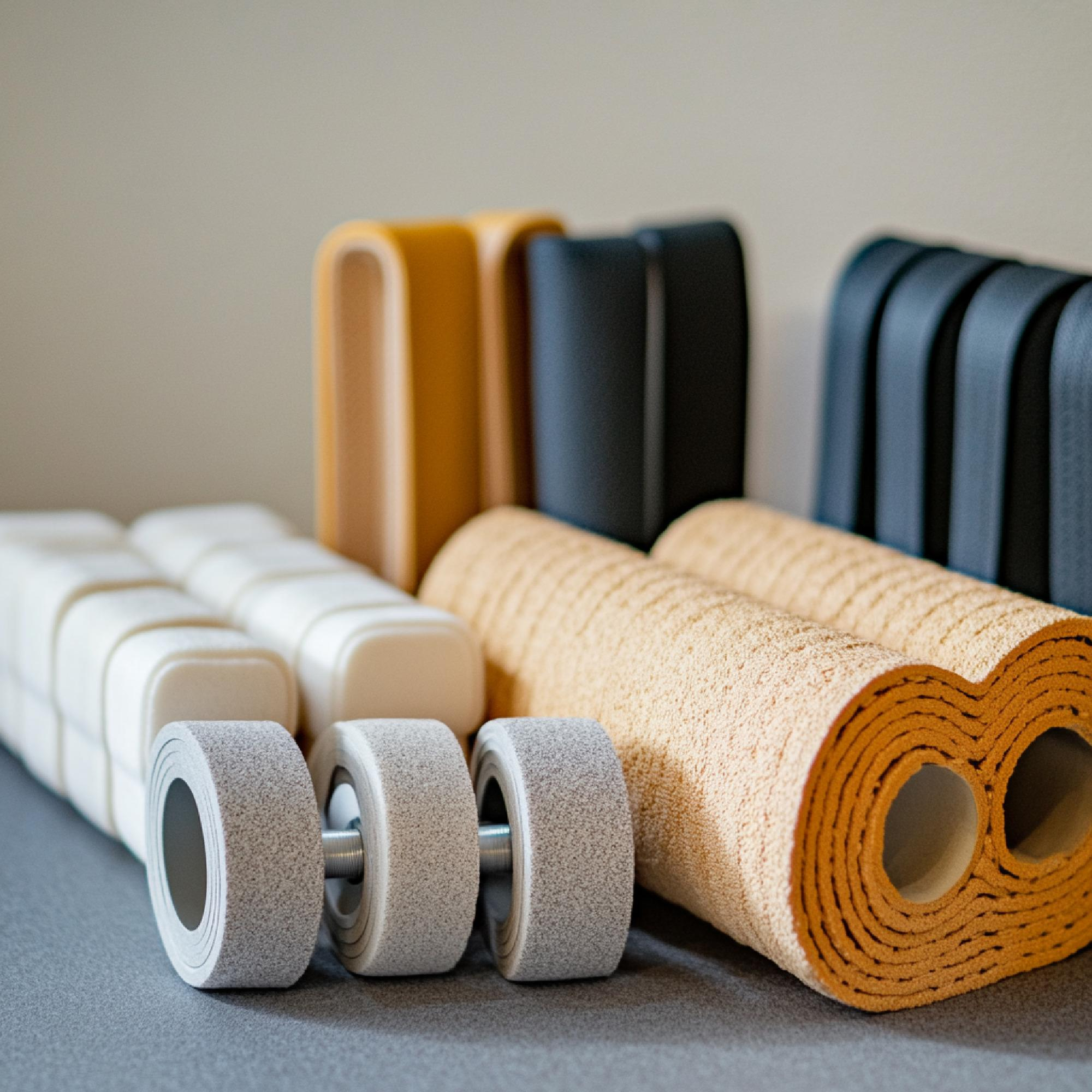
We only use professional-grade products that are proven effective for NYC’s climate and building types:
- Two-part spray foam for larger gaps and irregular openings
- Fire-rated caulk and sealants for areas near heat sources
- High-quality weatherstripping for doors and operable windows
- Rigid foam board for attic hatches and larger access points
- Fire-blocking foam for penetrations through fire-rated assemblies
What to Expect: Timeline and Process
- Initial Assessment: We visit your home to conduct a thorough energy audit including blower door testing and thermal imaging. We identify all significant air leakage points and explain our findings in plain language.
- Detailed Proposal: You'll receive a comprehensive report showing where your home is losing energy, which improvements will have the biggest impact, and a clear cost estimate. We'll also identify any available rebates or incentive programs.
- Air Sealing Work: Depending on your home's size and the extent of air leakage, most residential air sealing projects are completed in one to three days. We protect your belongings, work cleanly, and minimize disruption to your daily routine.
- Follow-Up Testing: We verify our work with post-project blower door testing so you can see the measurable improvement in your home's air tightness.