Unlocking Energy Savings and Eco-Friendly Comfort: Why Blown-In Cellulose Insulation Deserves a Spot in Your Home
Imagine this: It’s the dead of a chilly New York winter, and your heating bill hits like a freight train—skyrocketing costs that make you question every cozy blanket fort you’ve ever built. Or worse, summer humidity creeps in, turning your attic into a sauna that seeps downstairs. If you’ve ever felt that draft sneaking through your walls or noticed uneven temperatures room to room, you’re not alone. Millions of homeowners battle these issues yearly, but there’s a quiet hero in the world of home upgrades: blown-in cellulose insulation.
As someone who’s seen firsthand how smart insulation choices transform homes through programs like the NY Weatherization Program, I can tell you that blown-in cellulose isn’t just another material—it’s a game-changer for comfort, savings, and sustainability. In this guide, we’ll dive deep into what makes it tick, why it might be perfect for your space, and how to make it work without the headaches. Whether you’re retrofitting an older home or fine-tuning a new build, stick with me. By the end, you’ll have the knowledge to make an informed move that pays off for years. (And if you’re hungry for more on insulation basics, check out our Ultimate Guide to Home Insulation: Comfort, Savings, and Efficiency in 2025 for a broader roadmap.)
What Exactly Is Blown-In Cellulose Insulation?
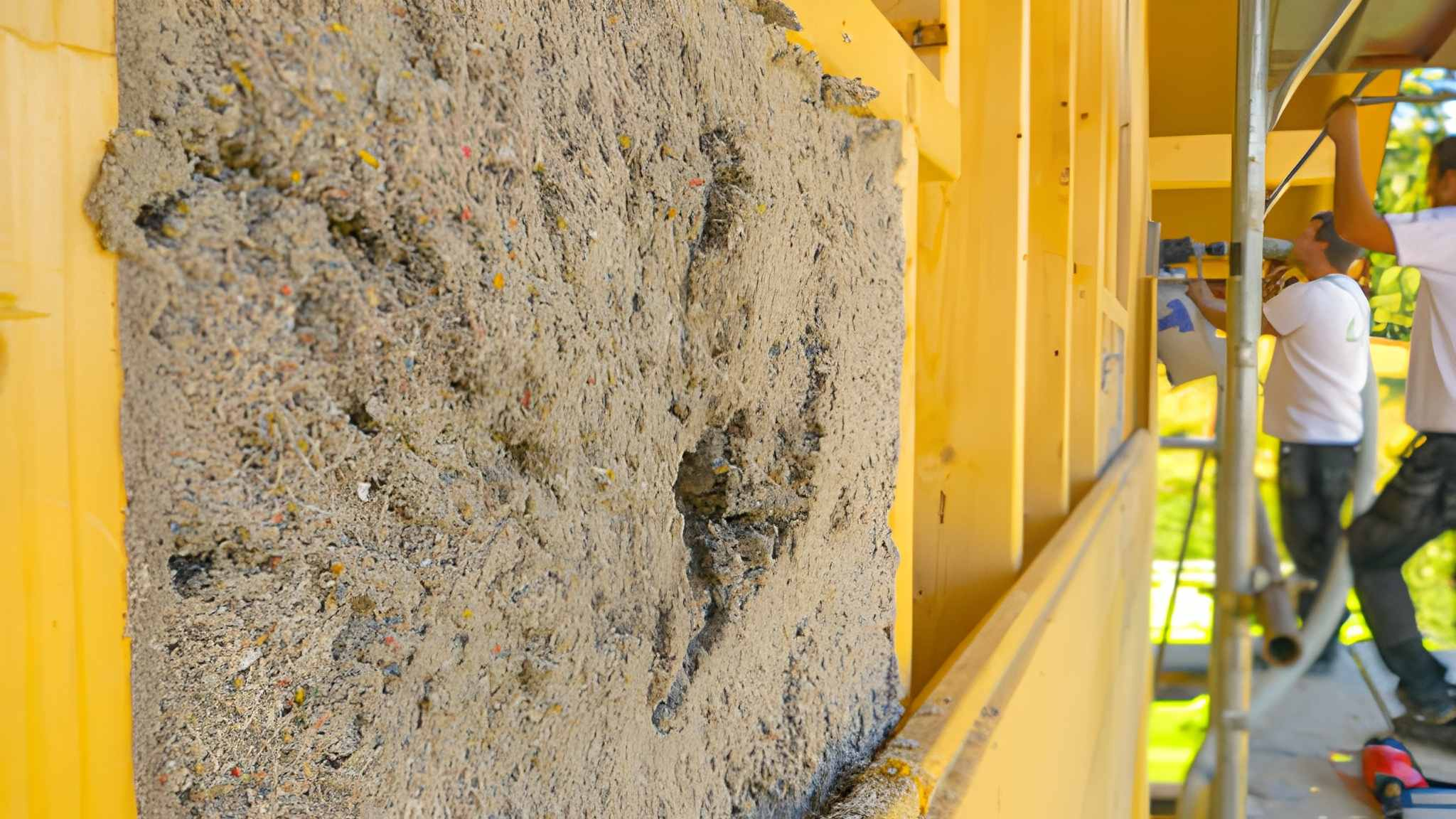
At its core, blown-in cellulose insulation is like the unsung sidekick of the insulation world—humble, effective, and made from everyday heroes. It’s primarily crafted from recycled paper products, think newspapers and cardboard that would otherwise pile up in landfills. These materials get shredded into tiny fibers, then treated with non-toxic chemicals like boric acid for fire resistance and pest deterrence. The result? A fluffy, lightweight material that’s pneumatically blown into hard-to-reach spaces using specialized equipment.
Unlike rigid foam boards or batts that you wrestle into place, cellulose flows like a gentle snowstorm, filling every nook and cranny. This makes it ideal for attics, wall cavities, and even cathedral ceilings. Fun fact: About 85% of cellulose comes from post-consumer waste, so installing it feels like giving Mother Earth a high-five. In a time when we’re all eyeing our carbon footprints, this eco-angle isn’t just buzz—it’s a real win for homeowners who want to insulate without adding to the waste stream.
But don’t let the “recycled” label fool you into thinking it’s flimsy. Modern cellulose boasts an R-value (that’s insulation’s thermal resistance rating) of around 3.2 to 3.8 per inch—on par with fiberglass and better than some batt options. For context, if you’re aiming for that sweet spot of energy efficiency in a typical New York home, you’d need about 12-15 inches in your attic to hit R-38 to R-49, depending on your climate zone.
Go Green with Blown-In Cellulose – Save & Stay Cozy!
Made from 85% recycled paper and carbon-negative to produce, blown-in cellulose fills gaps perfectly for 20-30% lower heating bills, up to 60% noise reduction, even comfort, and R-3.2–3.8 per inch efficiency in NY attics/walls. Ideal for drafty older homes with quick 3-5 year payback and long 20-50 year life. Pair it with air sealing for max results – get a FREE in-home energy assessment from the New York Weatherization Program to explore no-cost upgrades, incentives, and expert installation today!
How Blown-In Cellulose Works Its Magic
Picture your home as a cozy fortress under siege by outdoor temps. Insulation acts as the moat, slowing heat transfer. Blown-in cellulose excels here because of its dense, fibrous structure. Those tiny paper particles trap air pockets, creating a barrier that resists conductive, convective, and even radiant heat loss. When blown in, it expands to conform to irregular shapes—think around pipes, wiring, or that quirky beam in your 1920s bungalow.
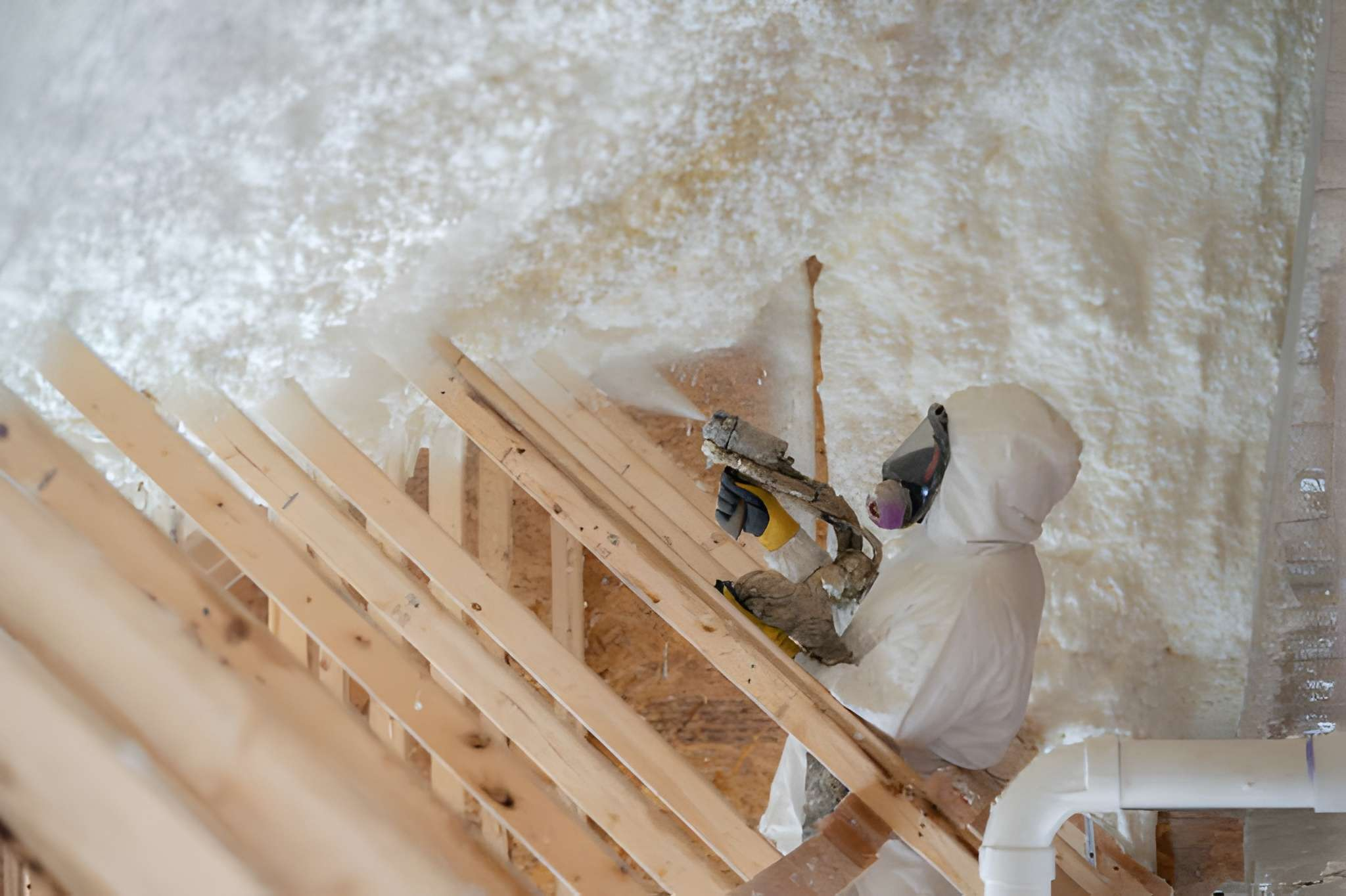
Installation is where the “blown-in” name shines. Pros use a machine that mixes the cellulose with air, shooting it through a hose into the target area. For attics, it’s as simple as drilling small holes in the floor and puffing it in from below—no major demo required. Walls? They access via the exterior or interior siding, ensuring even coverage without tearing out drywall. The whole process typically wraps in a day or two for a standard home, minimizing disruption to your Netflix queue.
One standout perk: Its ability to settle naturally over time without losing much effectiveness. Unlike some loose fills that compact and create gaps, cellulose maintains about 90% of its loft, keeping your energy bills in check long-term. Studies from the U.S. Department of Energy back this up, showing properly installed cellulose can slash heating costs by 20-30% in drafty older homes.
The Superpowers of Blown-In Cellulose: Why It Stands Out
Let’s get real—why choose cellulose over the fiberglass pink stuff or spray foam hype? It boils down to a trifecta of benefits that hit home for everyday folks like you and me.
Eco-Warrior Status: In an era of climate anxiety, cellulose’s recycled roots mean lower embodied energy (the juice it takes to produce it). It’s also carbon-negative during manufacturing, sequestering CO2 that would otherwise linger. If sustainability is your jam, this aligns perfectly with green initiatives like those supported by the NY Weatherization Program, which prioritizes low-impact upgrades.
Noise-Nixxing Ninja: Beyond thermal wins, cellulose doubles as a sound barrier. Its density absorbs vibrations, cutting outside racket by up to 60%—hello, quieter evenings sans traffic hum or neighbor’s leaf blower symphony. Perfect for urban dwellers or families with budding drummers.
Cost-Smart Champion: Upfront, expect $1.50-$3 per square foot installed, which is gentler on the wallet than spray foam ($3-$5) but delivers similar performance. Pair it with rebates from programs like Energy Star or your local utility, and ROI hits in 3-5 years through slashed bills. One client I worked with via our weatherization services saw a 25% drop in winter heating after a cellulose attic top-up— that’s real money back in their pocket for family vacations, not utility fat cats.
And let’s not forget gap-filling prowess. Traditional batts often leave 10-20% voids, but cellulose sneaks into every crevice, boosting efficiency by up to 25% per Oak Ridge National Lab tests.
The Flip Side: Honest Talk on Drawbacks
No insulation is perfect, and cellulose has its quirks. Moisture is the big one—if your home has poor ventilation or leaks, cellulose can absorb water and lose R-value (up to 15% when damp). That’s why it’s best in dry climates or with proper vapor barriers. In humid spots like coastal New York, opt for treated versions with enhanced mold resistance.
Settling happens too, though minimally (about 10-20% over decades), so overfill slightly during install. It’s heavier than fiberglass, which can stress older ceilings if not reinforced—always get a pro to assess. Fire? The treatments make it as safe as fiberglass, but avoid direct flame exposure.
Compared to alternatives:
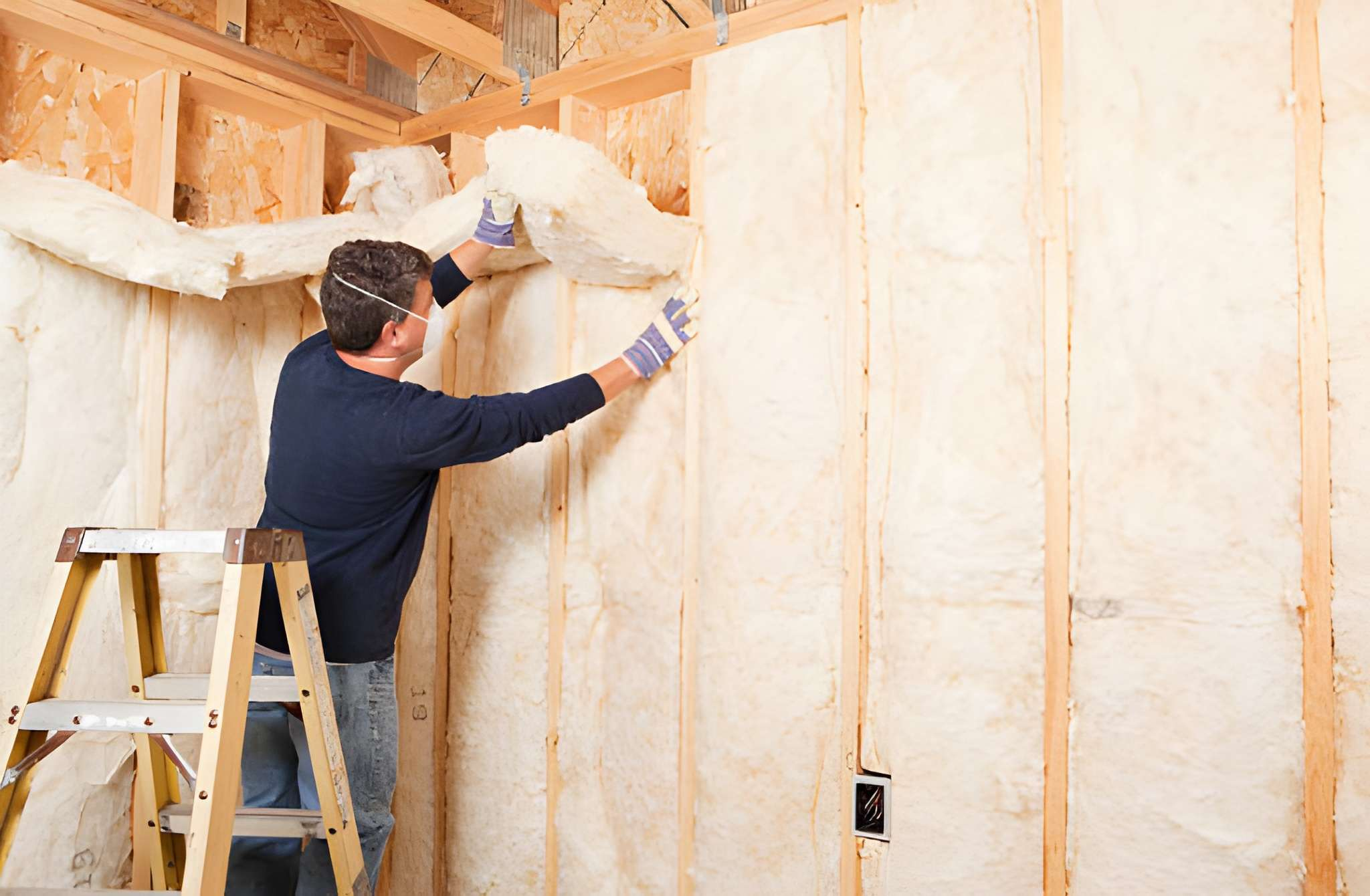
- Vs. Fiberglass: Cellulose wins on eco and sound, but fiberglass is cheaper DIY and less moisture-prone.
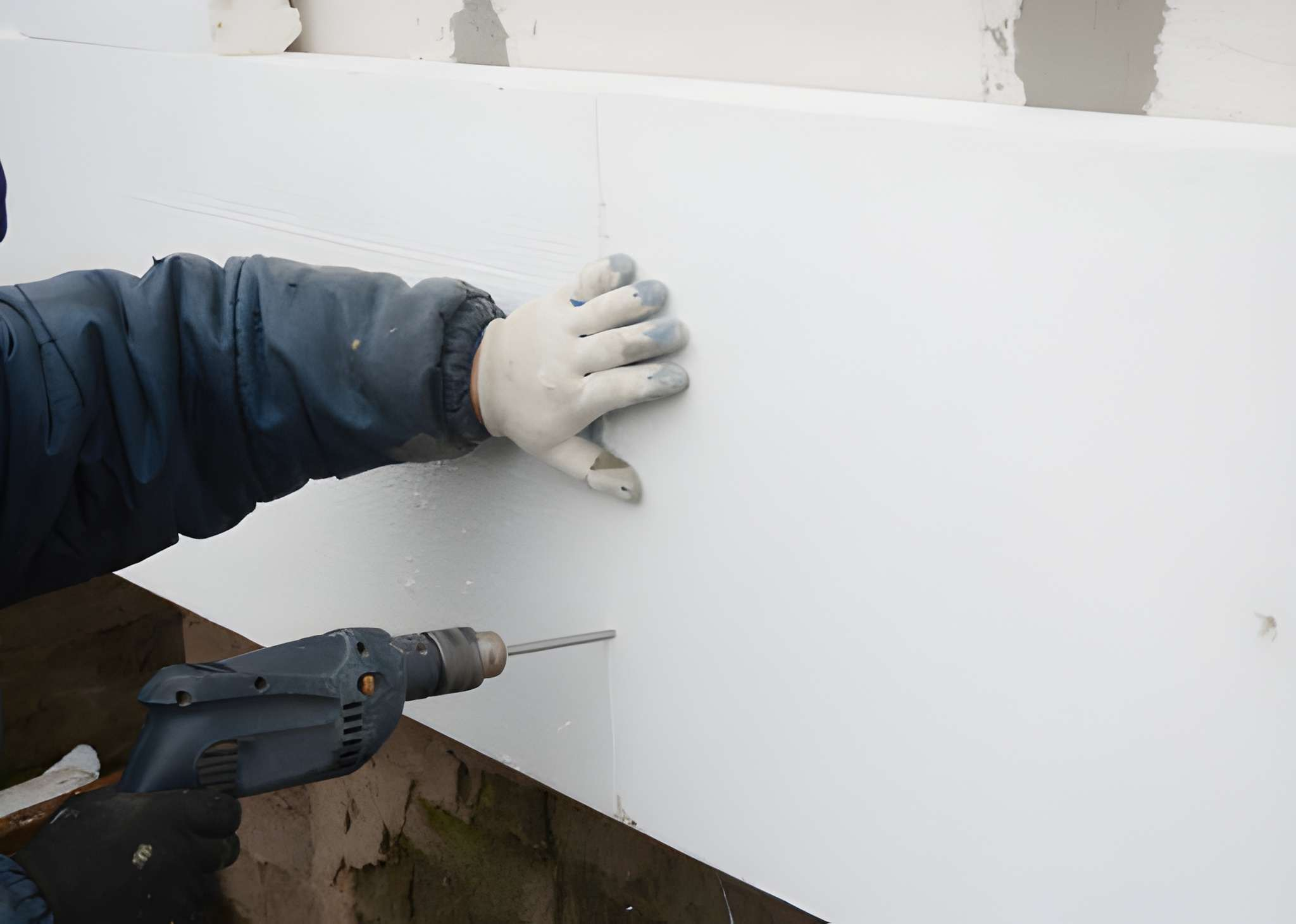
- Vs. Spray Foam: Foam seals air leaks like a champ but costs more and off-gasses VOCs. Cellulose is the budget-friendly, green pick.
- Vs. Mineral Wool: Both natural, but wool edges on fire resistance; cellulose takes the crown for affordability.
Bottom line: Weigh your home’s specifics—age, layout, budget—against these traits.
Is Blown-In Cellulose Right for Your Home? A Quick Self-Check
Not every insulation fits every roofline, so let’s personalize this. Start with your home’s age: Pre-1980s builds with settling insulation? Cellulose refreshes without full rip-outs. Newer homes with open cavities? It’s a seamless add-on.
Climate plays in—New York’s mixed winters scream for high-R materials like this. Budget-wise, if you’re under $5K total, it’s doable. And if allergies bug you, cellulose’s low-dust install (with masks) beats fiberglass itching.
Pro tip: Conduct a simple energy audit. Feel for drafts with an incense stick test or use a cheap IR thermometer. If temps vary wildly, cellulose could even out your microclimates, making that home office bearable year-round.
For tailored advice, especially if you’re tapping into state incentives, reach out through the NY Weatherization Program—they’ve helped thousands navigate exactly this.
Go Green with Blown-In Cellulose – Save & Stay Cozy!
Made from 85% recycled paper and carbon-negative to produce, blown-in cellulose fills gaps perfectly for 20-30% lower heating bills, up to 60% noise reduction, even comfort, and R-3.2–3.8 per inch efficiency in NY attics/walls. Ideal for drafty older homes with quick 3-5 year payback and long 20-50 year life. Pair it with air sealing for max results – get a FREE in-home energy assessment from the New York Weatherization Program to explore no-cost upgrades, incentives, and expert installation today!
Nailing the Installation: DIY Dreams vs. Pro Polish
Tempted to DIY? It’s possible for small attic jobs with a rented blower ($100/day) and bags of cellulose ($30-$50 each). But beware: Uneven distribution leads to hot/cold spots and wasted material. Measure twice, blow once—aim for uniform depth using baffles to prevent blocking vents.
For walls or big projects, hire certified installers (look for Cellulose Insulation Manufacturers Association stamps). They handle safety gear, moisture checks, and code compliance, ensuring your investment lasts 30+ years. Expect a walkthrough: They’ll map your space, calculate volume (square footage x desired depth / 30 for cubic feet needed), and blow it in with precision.
Post-install, ventilate for 24 hours and inspect for spills. Boom—your home’s now a thermal tank.
Keeping It Fresh: Maintenance and Longevity
Cellulose isn’t set-it-and-forget-it, but it’s low-fuss. Annual attic checks for moisture or critters keep it prime. Vacuum lightly if dust builds, but avoid compression. With borate treatments, pests steer clear—no toxic sprays needed.
Lifespan? 20-50 years, outlasting many peers if installed right. Refresh every decade or so in high-use areas for peak performance.
Wrapping Up: Your Path to a Warmer, Wiser Home
Blown-in cellulose insulation isn’t flashy, but it’s the reliable friend who shows up when you need it most—delivering comfort, quiet, and savings without the eco-guilt. In a world of quick fixes, it’s a thoughtful choice that honors your home’s story and your wallet’s future. Ready to blow away those energy woes? Start with a free assessment via the NY Weatherization Program or dive deeper into insulation strategies in our Ultimate Guide to Home Insulation: Comfort, Savings, and Efficiency in 2025.